


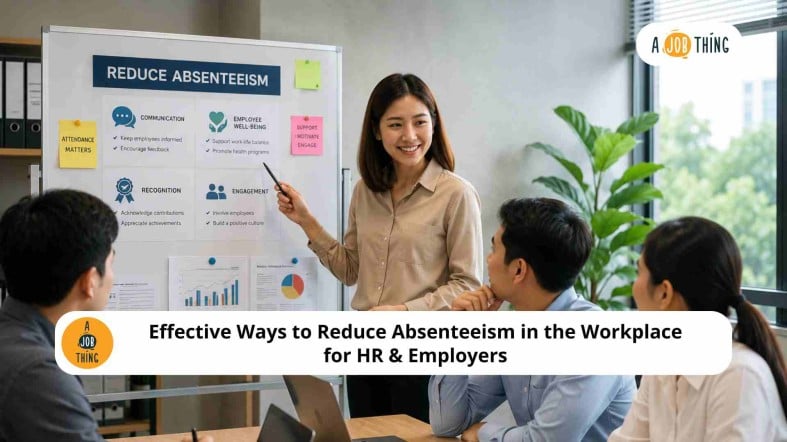
Effective Ways to Reduce Absenteeism in the Workplace for HR & Employers

Occasional employee absences are a normal part of running a business. Employees may need time off due to illness, family emergencies, or other legitimate reasons. However, when absences become frequent or unplanned, they can disrupt operations, reduce productivity, and increase the workload for other team members.
For HR professionals and employers, reducing absenteeism isn't about preventing employees from taking leave. Instead, it's about understanding why employees are absent, creating a supportive work environment, and managing attendance fairly and consistently.
In this guide, you'll learn the common causes of absenteeism, practical ways to reduce it, and what HR should do when attendance becomes an ongoing issue.
What Is Employee Absenteeism?
Employee absenteeism refers to an employee's frequent or repeated absence from work, especially when the absence is unplanned or unauthorised.
Examples of absenteeism include:
-
Frequent sick leave – Regular sick leave that begins to affect work performance or team operations.
-
Repeated emergency leave – Frequent emergency leave that disrupts work schedules.
-
Unauthorised absences – Not attending work without approval or a valid reason.
-
No-call, no-show incidents – Failing to report to work without informing the employer.
-
Persistent lateness or early departures – Regularly arriving late or leaving work early without reasonable justification.
Not every absence is considered absenteeism. Approved annual leave, genuine medical leave, and family emergencies are normal and should be managed according to the company's leave policy.
Why Is It Important to Reduce Absenteeism?
Frequent absenteeism can affect both business performance and employee morale. Addressing attendance issues early helps employers maintain productivity while creating a healthier and more supportive workplace.
Some common impacts include:
Reduced Productivity
When employees are unexpectedly absent, projects may be delayed, deadlines may be missed, and managers often need to reassign work to other team members.
Higher Business Costs
Employers may need to pay overtime, hire temporary workers, or adjust work schedules to maintain daily operations, increasing overall labour costs.
Increased Workload for Other Employees
When colleagues regularly cover for absent employees, they may experience stress, fatigue, and lower job satisfaction over time.
Lower Customer Satisfaction
In customer-facing industries, staff shortages can lead to longer waiting times, slower service, and a poorer customer experience.
Higher Employee Turnover
Ongoing attendance issues can affect workplace morale. Employees who consistently take on extra responsibilities may eventually seek opportunities elsewhere.
Common Causes of Employee Absenteeism
Understanding why employees are absent is the first step in managing absenteeism effectively. While some absences are unavoidable, frequent absenteeism is often linked to personal, health, or workplace-related factors.
Physical Illness or Injury
Illnesses, injuries, and ongoing medical conditions are among the most common reasons employees take time off work. Seasonal illnesses, such as influenza, can also lead to an increase in absenteeism.
Mental Health Challenges
Mental health conditions such as stress, anxiety, and depression can affect an employee's ability to work and may contribute to frequent absences if left unaddressed.
Workplace Stress or Burnout
Excessive workloads, long working hours, unrealistic expectations, or prolonged pressure can lead to physical and emotional exhaustion, making employees more likely to take leave.
Family Responsibilities
Employees may need time away from work to care for children, elderly parents, or family members during emergencies or unexpected situations.
Poor Work-Life Balance
Difficulty balancing work and personal responsibilities can increase stress and fatigue, leading to higher levels of absenteeism.
Low Employee Engagement
Employees who feel disengaged, unmotivated, or undervalued may become less committed to their work, which can affect their attendance.
Workplace Conflict
Conflicts with colleagues or managers, poor communication, or workplace bullying can create an unhealthy work environment and contribute to repeated absences.
Unsafe Working Conditions
Employees may be reluctant to attend work if they believe the workplace is unsafe or if their job exposes them to unnecessary health or safety risks.
How to Reduce Absenteeism in the Workplace
Reducing absenteeism requires more than enforcing attendance rules. Employers should create a workplace where employees feel supported, valued, and motivated to come to work.
Create a Clear Attendance Policy
A clear attendance policy helps employees understand the company's expectations and ensures attendance issues are handled consistently.
Your policy should clearly explain:
-
Working hours – State the company's official working hours and attendance expectations.
-
Leave application procedures – Explain how employees should apply for annual leave, sick leave, and emergency leave.
-
Medical certificate (MC) requirements – Specify when an MC is required and how it should be submitted.
-
Reporting unexpected absences – Employees should know who to notify and how soon they should inform the company if they cannot attend work.
-
Consequences of repeated unauthorised absences – Outline the disciplinary process so employees understand the potential consequences of poor attendance.
Review the attendance policy during onboarding and ensure it is easily accessible to all employees.
Support Employee Health and Well-being
Healthy employees are generally more engaged and less likely to take frequent sick leave. Investing in employee well-being can improve attendance while creating a healthier workplace.
Consider providing:
-
Medical benefits – Help employees access healthcare when they need it.
-
Mental health support – Offer counselling services or Employee Assistance Programmes (EAPs) where available.
-
Health screening – Encourage regular medical check-ups to support preventive healthcare.
-
Wellness programmes – Promote healthy habits through fitness activities or workplace wellness initiatives.
When employees feel supported, they are more likely to remain engaged and productive.
Encourage Open Communication
Employees are more likely to discuss attendance issues if they feel comfortable speaking with their manager or HR.
Regular check-ins provide an opportunity to identify challenges early, whether they relate to workload, health, or personal responsibilities. Open communication also helps build trust between employees and management.
Offer Flexible Work Arrangements
Where operationally possible, flexible work arrangements can help employees better manage work and personal commitments.
Options may include:
-
Flexible working hours
-
Hybrid working arrangements
-
Remote work
-
Flexible start and finish times
While flexible work may not suit every role, it can help reduce unnecessary absences for eligible employees.
Recognise Good Attendance
Recognising employees with good attendance can encourage positive behaviour and improve motivation.
Employers may consider:
-
Employee recognition programmes
-
Attendance awards
-
Performance incentives
-
Small rewards for consistent attendance
However, attendance programmes should not discourage employees from taking legitimate medical leave when they are genuinely unwell.
Monitor Attendance Trends
Regularly reviewing attendance records helps HR identify patterns before they become serious issues.
For example, HR may notice:
-
Frequent Monday or Friday absences
-
Repeated last-minute leave requests
-
High absenteeism within a particular team or department
-
Increasing sick leave across the organisation
Monitoring these trends allows employers to identify potential workplace issues and take proactive action before absenteeism affects business performance.
How Should HR Handle Employees with Frequent Absenteeism?
Even with clear attendance policies and employee support, some employees may continue to be frequently absent from work. When this happens, HR should take a fair, consistent, and professional approach.
Rather than assuming misconduct, the first step is to understand the reason behind the repeated absences. In some cases, the issue may be resolved through communication and support, while others may require formal action.
Review the Employee's Attendance Record
Before speaking with the employee, review their attendance history to understand the situation objectively.
Look for patterns such as:
-
Frequent absences on Mondays or Fridays
-
Repeated last-minute sick leave or emergency leave
-
Unauthorised absences
-
Previous discussions or warnings
Accurate records help HR make informed decisions based on facts rather than assumptions.
Meet with the Employee
Arrange a private meeting to discuss the attendance issue. The goal is to understand the reason behind the absences and explore possible solutions.
The employee may be experiencing:
-
A medical condition
-
Family or caregiving responsibilities
-
Workplace stress or burnout
-
Mental health challenges
-
Personal or financial difficulties
Listen carefully, maintain confidentiality, and encourage an open conversation before deciding on the next steps.
Provide Support Where Appropriate
If the absences are caused by genuine personal or work-related challenges, consider whether the company can provide reasonable support.
Depending on the situation, this may include:
-
Flexible working arrangements
-
Temporary workload adjustments
-
Counselling services or an Employee Assistance Programme (EAP)
-
Medical benefits or healthcare support
Providing support shows employees that the company values their well-being and may help improve attendance over time.
Remind Employees of the Attendance Policy
If attendance issues continue, remind the employee of the company's attendance policy and expectations.
Go through important areas such as:
-
Attendance requirements
-
Leave application procedures
-
Medical certificate (MC) requirements
-
How to report unexpected absences
-
The consequences of repeated unauthorised absences
Ensure the employee understands the policy and has an opportunity to ask questions.
Document Every Discussion
Keep clear records of every attendance-related discussion and action taken.
This should include:
-
Attendance reports
-
Meeting notes
-
Support provided
-
Improvement plans
-
Warning letters (if any)
Proper documentation helps ensure consistency and provides a clear record if further action becomes necessary.
Set an Attendance Improvement Plan
If attendance does not improve, work with the employee to create an attendance improvement plan.
The plan should include:
-
Clear attendance expectations
-
Agreed improvement goals
-
Support provided by the company
-
A review period
-
Follow-up meetings
This gives employees a fair opportunity to improve while allowing HR to monitor progress.
What Should Employers Do If Absenteeism Continues?
If an employee continues to be frequently absent despite discussions, support, and an attendance improvement plan, employers should follow a structured process before considering disciplinary action.
Follow Your Company's Disciplinary Procedure
If there is no improvement and the employee continues to be absent without a valid reason, employers should follow the disciplinary process outlined in the company's policies.
This may include:
-
Verbal warning
-
4Final written warning
-
Domestic inquiry (where applicable)
Each step should be carried out fairly, consistently, and properly documented.
Review the Situation Carefully
Before taking further action, consider whether:
-
The employee has been given reasonable opportunities to improve.
-
Appropriate support has been provided.
-
The absences are supported by valid medical or personal reasons.
-
Company policies have been applied consistently.
Reviewing the full situation helps ensure any decision is fair and justified.
Consider Termination as a Last Resort
Termination should only be considered when repeated absenteeism continues despite reasonable support, clear communication, and compliance with the company's disciplinary process.
Before making a termination decision, employers should ensure:
-
There is a valid reason for taking disciplinary action.
-
Attendance records and previous discussions are properly documented.
-
The company's disciplinary procedures have been followed.
-
The decision complies with applicable Malaysian employment laws.
If the situation involves prolonged illness, disability, or other complex employment matters, it is advisable to seek guidance from your HR consultant or legal adviser before proceeding.
Key Takeaways for Employers
Managing absenteeism isn't simply about reducing employee absences. It's about creating a workplace where employees feel supported while ensuring attendance expectations are clear and applied consistently.
To manage absenteeism effectively:
-
Set clear attendance policies and communicate them to all employees.
-
Monitor attendance regularly to identify patterns early.
-
Understand the reasons behind repeated absences before taking action.
-
Provide reasonable support where appropriate.
-
Keep accurate records of attendance issues and discussions.
-
Follow your company's disciplinary procedures fairly and consistently.
-
Consider termination only after all reasonable steps have been taken.
Taking a balanced approach helps employers protect their business while maintaining a positive and productive workplace.
FAQs
What is considered excessive absenteeism?
There is no fixed number of absences that qualifies as excessive absenteeism. Employers should assess the frequency, patterns, reasons for absence, and the company's attendance policy before taking action.
How can HR reduce absenteeism?
HR can reduce absenteeism by setting clear attendance policies, supporting employee well-being, monitoring attendance trends, and addressing attendance issues early.
What is reducing absenteeism?
Reducing absenteeism means implementing strategies to minimise frequent or unplanned employee absences while supporting employee well-being and maintaining productivity.
What does absenteeism mean?
Absenteeism refers to an employee's frequent or repeated absence from work, especially when the absences are unplanned or unauthorised.
How can employers reduce employee absence?
Employers can reduce employee absence by promoting a positive work environment, offering employee support, encouraging open communication, and applying attendance policies consistently.
Build a Reliable Workforce with AJobThing
%20copy.jpg)
Reducing absenteeism starts with hiring the right people and creating a workplace where employees can thrive.
When you're ready to grow your team, AJobThing helps you reach millions of job seekers across Malaysia, making it easier to find reliable candidates for your business.
Read More:
-
Medical Benefits for Employees in Malaysia: Types, Legal Requirements & Best Practices
-
Recruitment Agencies in Malaysia: Top 10 Choices, Fees & Best Alternatives
-
Fresh Graduate Salary in Malaysia (2026): How Much Should Employers Pay?
-
Salary Benchmarking in Malaysia: Are You Paying Enough to Attract Candidates?
-
e-Invoicing Malaysia Explained: What Every Employer and Business Needs to Know
-
EOR vs PEO: What's the Difference and Which Is Right for Your Business?
-
Remote Job Offer Letter: What Employers Should Include (+ Example)
-
Job Offer Letter vs. Employment Contract: What's the Difference? (+ Free Templates)
-
Constructive Dismissal Malaysia: Meaning, Examples & What To Do
-
Contract of Service vs Contract for Service Malaysia: How to Classify Workers Correctly
-
Job Offer Letter Templates: Examples, Formats & Best Practices for HR
-
Employee Retention in Malaysia: Meaning, Importance & How to Improve It
-
Employee Turnover in Malaysia: Causes, Warning Signs & How to Reduce It
-
Retrenchment in Malaysia: Meaning, Process & Employee Rights
-
Gmail Templates for HR: Faster Replies for Interviews, Offers & Rejections
-
7 Key Contract Employee Rights in Malaysia Every HR Should Know
-
GLC vs Private Company Malaysia: Salary, Culture & Hiring Differences
-
Types of Payroll Calculation in Malaysia: Adhoc, Prorated Salary & Final Settlement Explained
-
Types of Payroll Cycle in Malaysia: Which One Is Best for Your Business?
-
Types of Insurance in Malaysia and Their Impact on Employee Benefits
-
How to Create a Strong Candidate Shortlist for Better Hiring Decisions
-
How HR in Malaysia Can Offer a Job Over the Phone (with Script)
-
How Notice Period Really Works in Malaysia for Employers and HR
-
How to Create a Job Posting That Attracts the Right Candidates
-
How HR in Malaysia Can Improve Resume Screening and Candidate Shortlisting
-
How HR Can Reject a Candidate the Right Way (with Templates)
-
How to Conduct a Background Check for Employment in Malaysia
-
Onboarding Process Tips: What HR Needs to Know for Better Retention
-
Onboarding Checklist for New Hires (Free Downloadable Template)
-
Performance Evaluation: Description, Types, and How to Conduct
-
Cover Letter Examples Employers Should Know (With Tips to Spot the Best Ones)
-
Step-by-Step Guide to Writing a Great Job Description (Free Templates)