
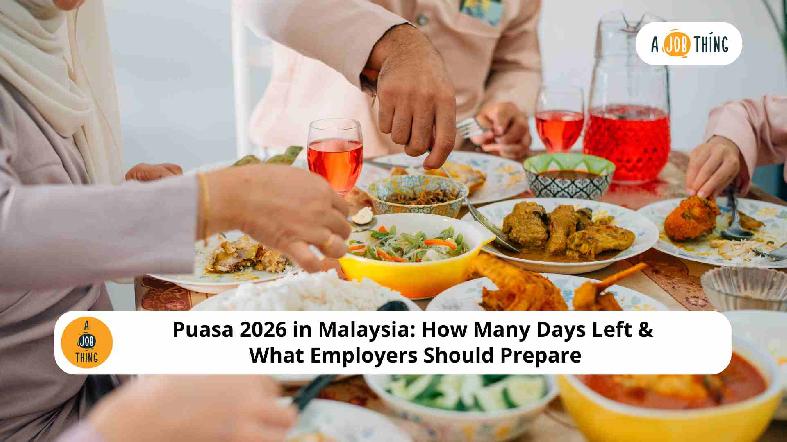
Puasa 2026 in Malaysia: How Many Days Left & What Employers Should Prepare

Are You Hiring?
Find candidates in 72 Hours with 5+ million talents in Maukerja Malaysia & Ricebowl using Job Ads.
Hire Now
Puasa (Ramadan) is one of the most important months for Muslim employees in Malaysia. Every year, employers and HR teams must plan ahead, especially for working hours, rest time, workload management, and leave schedules.
As Ramadan approaches, it’s important for employers to understand when Puasa 2026 is expected to begin and what adjustments need to be made at the workplace. Fasting affects working hours, employee focus, energy levels, and operational planning. Preparing early helps maintain productivity while supporting employee well-being.
How Many Days Until Ramadan 2026?
Based on the estimated Islamic calendar:
-
Puasa 2026 is expected to begin on 19 February 2026.
-
The official date will be confirmed through moon sighting by JAKIM closer to Ramadan.
This means employers still have a few months (depending on today’s date) to prepare policies, schedules, manpower planning, and communication for the fasting month.
Reminder: Ramadan dates may shift by 1 day because the Islamic calendar follows the lunar cycle.
When Will Malaysia Start Puasa in 2026?
According to the projected Hijri calendar:
-
1 Ramadan 2026 is predicted to fall on 18 or 19 February 2026.
-
Fasting officially begins the next morning, after the national TV announcement by Penyimpan Mohor Besar Raja-Raja.
Estimated Ramadan 2026 Timeline
-
Start of Puasa: 19 February 2026
-
Expected Hari Raya Aidilfitri: 20–21 March 2026
Employers should keep in mind that the dates may change by one day after the official moon sighting.
What Employers & HR Should Prepare for Puasa 2026
Ramadan affects employees’ energy levels, concentration, and working habits. HR must plan early to maintain smooth operations.
Adjust Working Hours (If Needed)
There is no legal requirement in Malaysia to shorten working hours during Ramadan, but many companies offer flexibility to support Muslim employees:
Slightly Later Start Times
Employees who fast may need more rest in the morning, so starting work a bit later helps them manage their energy better.
Earlier Finishing Times
Allowing employees to end work earlier helps them prepare for iftar and reduce fatigue towards the end of the day.
Longer Prayer Breaks
Some employees may need extra time for prayers during Ramadan, especially for Zohor and Asar.
Optional Remote Work Days
Working from home on selected days can help fasting employees manage rest, avoid long commutes, and stay productive.
Flexible arrangements can help maintain productivity while supporting staff who are fasting.
Manage Lunch & Break Policies
Employees who fast do not take normal lunch breaks, but they may need:
-
Short rest breaks
-
Time for prayers
-
A quiet space to rest
HR can consider allowing brief breaks for energy management, especially towards the late afternoon.
Plan Manpower & Leave Requests
During Ramadan, employers can expect an increase in:
Early Leave Requests before Iftar
Some employees may request to leave slightly earlier to prepare for breaking fast with their families.
Leave Applications during the Last 10 Nights
Many Muslims prioritise worship during the last 10 nights of Ramadan, so HR may receive more leave requests.
Leave for Travel before Hari Raya
Employees travelling back to their hometowns often apply for leave a few days before Hari Raya to avoid traffic and prepare for the celebration.
Tips for Employers for Planning Manpower
-
Ask employees to submit leave applications early, ideally January or early February 2026.
-
Prepare shift rotations to avoid manpower issues.
-
Ensure essential roles remain covered.
Support Employee Well-Being
Fasting affects employees differently. Employers can support by:
-
Avoiding heavy physical tasks during daytime
-
Minimizing long meetings (especially late afternoon)
-
Allowing flexible prayer breaks
-
Being considerate of energy levels
A supportive environment helps maintain morale and productivity.
Communicate Ramadan Policies Early
Send a memo or announcement at least 1 month before Ramadan, covering:
-
Working hour adjustments
-
Break times
-
Meeting guidelines
-
Leave procedures
-
Shift arrangements
Clear communication reduces confusion and ensures a smoother workflow throughout the month.
FAQs
Do companies need to reduce working hours during Ramadan?
No. There is no legal requirement, but many employers provide flexibility.
Can fasting employees request extra rest breaks?
Yes, based on company policy. Short breaks for prayer or rest are common.
Will shift schedules need to change during Ramadan?
Possibly. Many employers adjust shifts to support employee energy levels and operations.
Should HR expect more leave applications?
Yes, especially during the last 10 nights of Ramadan and before Hari Raya.
Do Ramadan policies apply to remote or hybrid employees?
Yes. Employers should still allow prayer breaks and flexible hours when appropriate.
Need Part-Time Staff for Raya 2026?

We’ll help you find the right people who vibe with your goals and grow with you.
Post your job on Maukerja, Ricebowl, and Epicareer with AJobThing today.
Read More:
-
Break Time Guide for Malaysian Workplaces (Office, Remote & Hybrid)
-
Differences Between Seasonal vs. Part-Time Positions in Malaysia
-
Do Part-Time Employees Qualify for Overtime Pay and Bonuses?
-
Differences Between Freelance and Part-Time Positions in Malaysia
-
Hiring Qualified Freelancers in Malaysia? Make Sure You Do It Right
-
Hiring Part-Time in Malaysia? Here's How to Find the Right People
- Part-Timers vs Casual Employees in Malaysia, Which Suits Your Company Best?