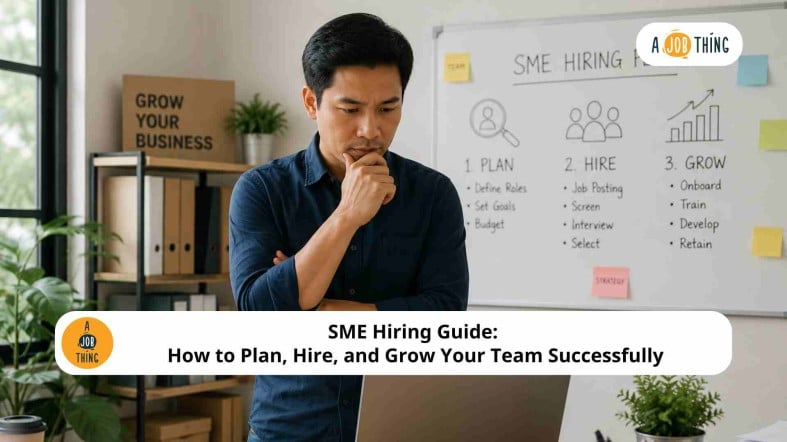
SME Hiring Guide: How to Plan, Hire, and Grow Your Team Successfully

Are You Hiring?
Find candidates in 72 Hours with 5+ million talents in Maukerja Malaysia & Ricebowl using Job Ads.
Hire Now
Finding the right employees is one of the biggest challenges for small and medium-sized enterprises (SMEs) in Malaysia. Unlike larger organisations with dedicated HR teams and bigger recruitment budgets, many SMEs need to balance hiring with day-to-day business operations.
As a result, recruitment is often reactive. Hiring only begins when an employee resigns, workloads become overwhelming, or business growth creates an urgent need for additional manpower.
While this approach may solve immediate staffing issues, it can also lead to rushed hiring decisions, increased recruitment costs, and difficulty finding qualified candidates.
A hiring plan helps SMEs take a more proactive approach by identifying future workforce needs, prioritising critical roles, and preparing for recruitment before hiring becomes urgent.
Why Recruitment Is Challenging for SMEs
Many recruitment challenges faced by SMEs are different from those experienced by larger organisations. Limited resources, smaller teams, and budget constraints often make it more difficult to attract and retain talent.
Understanding these challenges is the first step towards building a more effective hiring strategy.
Competing with Larger Companies
Large organisations often have stronger employer brands, higher salaries, and more comprehensive employee benefits.
While SMEs may not always compete on salary, they can attract candidates by highlighting opportunities such as career growth, broader job responsibilities, faster decision-making, and a collaborative working environment.
Limited Recruitment Budget
Recruitment is a significant investment, especially for SMEs with limited resources.
Every hiring decision matters, making it important to prioritise critical positions and recruit strategically rather than filling vacancies as quickly as possible.
A well-planned recruitment strategy can also help SMEs avoid the cost of rushed hiring or replacing unsuitable employees.
Finding Qualified Candidates
Many industries continue to face skills shortages, making it difficult to find candidates with the right qualifications and experience.
Delaying recruitment until a vacancy becomes urgent often makes hiring even more challenging, as businesses have less time to attract and evaluate suitable candidates.
Limited HR Resources
Many SMEs do not have a dedicated HR department. Recruitment is often handled by business owners, managers, or team leaders alongside their existing responsibilities.
Without a structured hiring process, job advertisements, interviews, and candidate evaluations may vary from one recruitment exercise to another, leading to inconsistent hiring decisions.
Signs Your SME May Need to Hire
Many SMEs wait until workloads become unmanageable before starting the recruitment process. Recognising the signs early can help businesses plan ahead and avoid unnecessary disruption.
You may need to expand your team if:
-
Employees regularly work overtime to complete daily tasks.
-
Customer enquiries or orders continue to increase.
-
Projects are delayed due to limited manpower.
-
Managers are taking on too many operational responsibilities.
-
Existing employees are showing signs of burnout.
-
Business growth is being limited because there aren't enough people to support it.
If several of these situations sound familiar, it may be time to review your workforce needs and prepare a hiring plan.
Why Every SME Needs a Hiring Plan
A hiring plan helps businesses prepare for future workforce needs instead of reacting to staffing shortages.
Rather than asking, "Who do we need to hire today?", a hiring plan encourages SMEs to ask, "Who will we need over the next six to twelve months to support our business goals?"
Planning ahead helps businesses:
-
Anticipate future hiring needs.
-
Prioritise the most critical positions.
-
Reduce emergency recruitment.
-
Manage recruitment budgets more effectively.
-
Support business growth with the right people at the right time.
Even a simple hiring plan can help SMEs make better recruitment decisions while reducing hiring risks.
How to Build Your First Hiring Plan
A hiring plan doesn't need to be complicated. For most SMEs, the goal is simply to understand who you need to hire, when you need them, and why the role is important to your business.
1. Review Your Current Workforce
Start by evaluating your existing team and workload.
Ask yourself:
-
Which roles are critical to daily operations?
-
Are employees taking on multiple responsibilities?
-
Are there any skills gaps affecting productivity?
-
Which positions would have the biggest impact if they became vacant?
Understanding your current workforce helps you identify where additional support is needed and whether existing employees have the capacity to take on more work.
2. Forecast Your Business Goals
Your hiring plan should support your business objectives, not just fill vacancies.
Consider your plans for the next six to twelve months:
-
Are you expanding your business?
-
Will you launch new products or services?
-
Are you opening another branch?
-
Do you expect customer demand to increase?
-
Will existing employees be able to support future growth?
Thinking ahead allows you to prepare for recruitment before manpower shortages affect your operations.
3. Identify Hiring Priorities
Not every vacancy requires immediate recruitment.
Start by identifying roles that will have the greatest impact on business performance, customer experience, or revenue.
For example:
-
A growing retail business may need more Sales Assistants before expanding its marketing team.
-
A manufacturing company may prioritise Production Operators to meet increasing customer orders.
-
A customer service team experiencing longer response times may benefit from hiring additional Customer Service Executives.
Focusing on business priorities helps SMEs make better use of limited recruitment budgets.
4. Decide Whether to Hire or Upskill
Hiring externally isn't always the best solution.
Before advertising a vacancy, consider whether the work can be managed by:
-
Upskilling an existing employee.
-
Promoting an internal team member.
-
Redistributing responsibilities within the team.
-
Automating repetitive administrative tasks.
Developing existing employees can reduce recruitment costs while supporting employee engagement and career progression.
5. Create a Hiring Timeline
Rather than recruiting several employees at the same time, plan your hiring based on business priorities and available resources.
For example:
|
Timeline |
Hiring Priority |
|
Quarter 1 |
Sales Executive |
|
Quarter 2 |
Customer Service Executive |
|
Quarter 3 |
Marketing Executive |
A simple hiring timeline helps SMEs budget recruitment costs, prepare onboarding activities, and avoid rushed hiring decisions.
Tips to Improve Recruitment Success
Building a hiring plan is only the first step. Attracting the right candidates requires a structured recruitment process.
Write Clear Job Advertisements
A well-written job advertisement should clearly explain:
-
Job responsibilities.
-
Required skills and qualifications.
-
Working location.
-
Employment type.
-
Salary range or benefits, where appropriate.
Clear job ads help attract more suitable candidates and reduce unsuitable applications.
Promote Your Employer Brand
Many job seekers look beyond salary when choosing an employer.
Highlight what makes your business unique, such as:
-
Career development opportunities.
-
Learning and training.
-
Flexible working arrangements.
-
Company culture.
-
Employee recognition.
A strong employer brand can help SMEs compete for talent even when they have smaller recruitment budgets.
Use a Structured Interview Process
Interviewing every candidate differently can lead to inconsistent hiring decisions.
Using structured interview questions and consistent evaluation criteria helps employers compare candidates more fairly and identify the best fit for the role.
For example, competency-based interviews encourage candidates to share real examples from their previous work experience, making it easier to evaluate their skills, behaviours, and suitability for the position.
Start Recruitment Early
One of the biggest hiring mistakes SMEs make is waiting until a vacancy becomes urgent.
Starting recruitment early gives your business more time to attract qualified candidates, conduct interviews, and make informed hiring decisions instead of rushing to fill a position.
SME Hiring Checklist
.jpg)
Download the SME hiring checklist to help you identify hiring priorities, prepare for recruitment, and build a more effective hiring plan.
FAQs
What is a hiring plan?
A hiring plan outlines the roles, skills, and timeline needed to support a company's workforce requirements and business goals.
Why is a hiring plan important for SMEs?
A hiring plan helps SMEs prepare for future workforce needs, reduce rushed recruitment, manage hiring costs, and make more informed hiring decisions.
When should SMEs start hiring?
Ideally, recruitment should begin before staffing shortages affect business operations, customer service, or business growth.
How can SMEs attract better candidates?
SMEs can attract quality candidates by writing clear job advertisements, promoting their employer brand, offering career development opportunities, and providing a positive candidate experience.
Should SMEs hire internally or externally?
It depends on the role and business needs. Internal promotions can help retain experienced employees and support career development, while external hiring can bring new skills, fresh perspectives, and specialised expertise.
Can SMEs compete with larger companies for talent?
Yes. While larger companies may offer higher salaries or broader benefits, SMEs can stand out by offering faster career progression, greater job exposure, a collaborative work environment, and opportunities to make a meaningful impact.
Looking to Hire the Right Talent?
%20copy.jpg)
Whether you're hiring your first employee or expanding your team, AJobThing helps reach millions of job seekers across Malaysia and attract qualified candidates faster.
Post your job with AJobThing today and start building your team with confidence.
Read more:
-
Competency-Based Interviews: Improve Hiring Quality with a Consistent Interview Process
-
Employer's Role in EPF Withdrawals for Non-Malaysian Employees
-
Leave Encashment Malaysia: How to Calculate Unused Annual Leave
-
Online Seller Requirements in Malaysia: 10 Business Details You Must Display
-
Performance Bonus in Malaysia: How It Works, Calculation & Employer Guide
-
Cost Per Hire Malaysia: Formula, Examples & How Employers Can Reduce Hiring Costs
-
Letter of Extension of Contract Malaysia: Free Template, Format & Sample
-
Promotion Letter in Malaysia: How to Write One (+ Free Template & Sample)
-
Probation Extension Letter Malaysia: Template, Sample, and What Employers Need to Know
-
Talent Pool: Benefits, Examples & How to Build One for Better Hiring
-
Sales Turnover: What It Is, Formula, Examples & Tips to Increase It
-
Overtime Rates in Malaysia: When Do 1.5x, 2x and 3x Pay Apply?
-
Prorated Salary in Malaysia: How to Calculate an Employee's First Salary
-
Remote Jobs in Malaysia: Most In-Demand Roles, Salaries & Hiring Guide (2026)
-
Effective Ways to Reduce Absenteeism in the Workplace for HR & Employers
-
Medical Benefits for Employees in Malaysia: Types, Legal Requirements & Best Practices
-
Fresh Graduate Salary in Malaysia (2026): How Much Should Employers Pay?
-
Salary Benchmarking in Malaysia: Are You Paying Enough to Attract Candidates?
-
e-Invoicing Malaysia Explained: What Every Employer and Business Needs to Know
-
EOR vs PEO: What's the Difference and Which Is Right for Your Business?
-
Remote Job Offer Letter: What Employers Should Include (+ Example)
-
Job Offer Letter vs. Employment Contract: What's the Difference? (+ Free Templates)
-
Constructive Dismissal Malaysia: Meaning, Examples & What To Do
-
Contract of Service vs Contract for Service Malaysia: How to Classify Workers Correctly
-
Job Offer Letter Templates: Examples, Formats & Best Practices for HR
-
Employee Retention in Malaysia: Meaning, Importance & How to Improve It
-
Employee Turnover in Malaysia: Causes, Warning Signs & How to Reduce It
-
Retrenchment in Malaysia: Meaning, Process & Employee Rights
-
Gmail Templates for HR: Faster Replies for Interviews, Offers & Rejections
-
7 Key Contract Employee Rights in Malaysia Every HR Should Know
-
GLC vs Private Company Malaysia: Salary, Culture & Hiring Differences
-
Types of Payroll Calculation in Malaysia: Adhoc, Prorated Salary & Final Settlement Explained
-
Types of Payroll Cycle in Malaysia: Which One Is Best for Your Business?
-
Types of Insurance in Malaysia and Their Impact on Employee Benefits
-
How to Create a Strong Candidate Shortlist for Better Hiring Decisions
-
How HR in Malaysia Can Offer a Job Over the Phone (with Script)
-
How Notice Period Really Works in Malaysia for Employers and HR
-
How to Create a Job Posting That Attracts the Right Candidates
-
How HR in Malaysia Can Improve Resume Screening and Candidate Shortlisting
-
How HR Can Reject a Candidate the Right Way (with Templates)
-
How to Conduct a Background Check for Employment in Malaysia
-
Onboarding Process Tips: What HR Needs to Know for Better Retention
-
Onboarding Checklist for New Hires (Free Downloadable Template)
-
Performance Evaluation: Description, Types, and How to Conduct
-
Cover Letter Examples Employers Should Know (With Tips to Spot the Best Ones)
-
Step-by-Step Guide to Writing a Great Job Description (Free Templates)