Social Media Recruitment in Malaysia: How Employers Can Find Candidates Online

Are You Hiring?
Find candidates in 72 Hours with 5+ million talents in Maukerja Malaysia & Ricebowl using Job Ads.
Hire Now
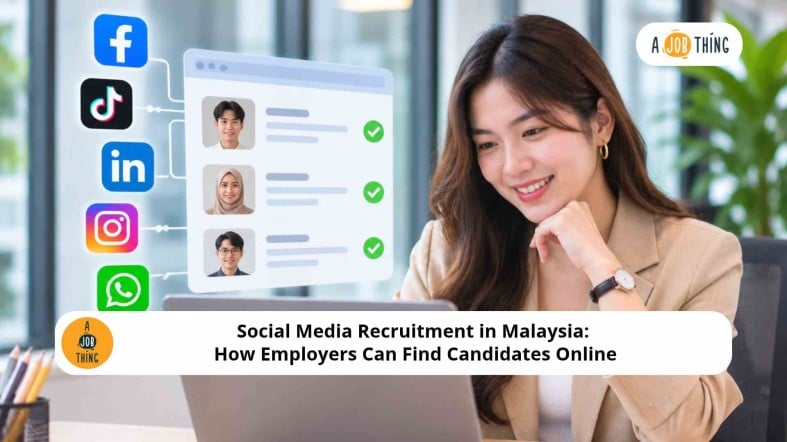
Social media recruitment is the process of using platforms such as Facebook, LinkedIn, TikTok and Instagram to promote job vacancies, reach potential candidates and encourage applications.
For Malaysian employers, social media provides another way to connect with jobseekers, especially those who may not be actively browsing job portals. However, getting attention online does not automatically mean finding the right employees. Employers need to choose suitable platforms, create relevant recruitment content and provide a simple application process.
According to Randstad Malaysia's 2025 Employer Brand Research, 50% of respondents who intended to change jobs used social media as one of their job-search channels. The figure was 47% among respondents who had changed employers. Job boards remained the most-used channel in both groups.
This suggests that social media can strengthen a company's recruitment strategy, but works best alongside job portals and other hiring channels.
What Is Social Media Recruitment?
Social media recruitment, also known as social recruiting, involves using social networking platforms to advertise vacancies, identify potential candidates and communicate with jobseekers.
Employers can use their company accounts, professional networks, community groups and video content to promote available positions.
For example, a restaurant in Kuala Lumpur could share a service crew vacancy in relevant Facebook groups, publish a short TikTok video showing its workplace and use Instagram Stories to promote the same opportunity.
Social media recruitment can help companies:
- Increase the visibility of job vacancies.
- Reach candidates within specific industries or locations.
- Showcase company culture and working environments.
- Connect with interested jobseekers.
- Direct potential applicants to official job application channels.
The objective is to attract suitable candidates, not simply to increase likes, followers or post views.
Which Social Media Platforms Are Best For Recruitment In Malaysia?
Different platforms support different recruitment needs. Employers should choose based on the position, target candidates and type of content they can produce.
| Platform | Best Recruitment Use | Suitable Positions |
| Local hiring and community reach | Retail, F&B, warehouse and customer service | |
| Professional networking and candidate sourcing | Executives, managers and specialists | |
| TikTok | Short-form video recruitment | Entry-level, retail, F&B and hospitality |
| Workplace culture and visual content | Creative, marketing, retail and hospitality |
1. Facebook: Local Hiring And Community Recruitment
Facebook can help employers reach candidates in specific locations and communities.
HR teams can publish vacancies on company pages and share them in relevant job or community groups, subject to each group's posting rules.
How employers can use Facebook:
- Share vacancies on the official company page.
- Post in relevant local employment groups.
- Include the job location, salary and working hours.
- Use workplace photos or short videos.
- Direct interested candidates to an official application link.
Example: A café hiring service crew in Shah Alam can share its vacancy in relevant local groups. Including the outlet location and working schedule helps candidates decide whether the job is suitable before applying.
2. LinkedIn: Professional And Experienced Hiring
LinkedIn is useful for reaching professionals based on their work experience, skills and industry.
Employers can publish vacancies, share company updates and encourage employees to share recruitment announcements with their professional networks.
Suitable positions: HR professionals, accountants, engineers, software developers, marketing executives and managers.
For a stronger professional presence, employers can also follow this guide to creating and optimising a LinkedIn Company Page for employer branding.
3. TikTok: Short-Form Video Recruitment
TikTok allows employers to introduce job opportunities through short videos instead of relying only on traditional vacancy graphics.
Companies can show their working environment, introduce team members and explain job responsibilities.
Suitable positions: Retail assistants, restaurant crew, hospitality staff, interns and entry-level employees.
Example: A restaurant hiring kitchen assistants can create a short video showing the kitchen environment, introducing the role and displaying the job location and application instructions.
The content should be authentic and relevant to the vacancy. Employers do not need to follow every popular trend to make recruitment videos interesting.
4. Instagram: Workplace Culture And Visual Recruitment
Instagram can help employers showcase their company through photos, Reels and Stories.
HR teams can share employee activities, workplace videos, recruitment announcements and available positions.
Suitable positions: Hospitality, retail, creative, marketing and customer-facing roles.
Example: A hotel hiring front desk staff can publish a Reel showing its reception area and introducing the available opportunity.
Instagram is also useful for maintaining a consistent employer image. Employers can refer to this AJobThing guide on improving employer branding and recruitment.
How To Build A Social Media Recruitment Strategy
Publishing vacancies is only one part of social media recruitment. Employers need a clear process to turn online interest into qualified applications.
Here are five steps HR teams can follow.
Step 1: Identify The Position And Target Candidates
Start by defining the hiring requirements:
- Job title and number of vacancies.
- Required skills and experience.
- Job location and employment type.
- Working days, hours and shift arrangements.
- Salary range and relevant benefits.
For example, recruiting retail assistants in Johor Bahru requires a different approach from hiring a senior finance executive in Kuala Lumpur.
Understanding the target candidates helps employers decide where to promote the vacancy. This should also form part of the company's wider recruitment strategy.
Step 2: Choose The Most Relevant Platforms
Do not assume every vacancy needs to appear on every platform.
Consider this starting point:
- Retail assistants: Facebook and TikTok.
- Restaurant crew: Facebook and Instagram.
- Marketing executives: LinkedIn and Instagram.
- Software developers: LinkedIn.
- Management professionals: LinkedIn.
Employers can start with one or two suitable platforms and expand based on application quality.
Step 3: Create Recruitment Content That Gets Attention
A recruitment post should tell candidates what the opportunity is and why they should consider applying.
Include the following information:
- Company name and job title.
- Job location.
- Main responsibilities.
- Required qualifications or experience.
- Salary range, where available.
- Working hours and employment type.
- Application instructions.
Adapt the content to the platform. A detailed LinkedIn post may suit a professional vacancy, while a short video may work better for introducing a retail or F&B position.
For more guidance, refer to How to Create a Job Posting That Attracts the Right Candidates.
Step 4: Show Candidates What It Is Like To Work At Your Company
Candidates may want to understand the workplace before submitting an application.
Employers can share:
- Employee introductions and testimonials.
- Office, shop or factory tours.
- Team activities and company events.
- Workplace facilities.
- Career development opportunities.
For example, a retail company can publish a short video introducing its store team and explaining what a typical working day looks like.
Keep the content genuine and consistent with the actual working environment. A clear company profile can also help candidates understand the organisation.
Step 5: Make It Easy To Apply And Follow Up
Every recruitment post should have one clear call to action.
Examples include:
- Apply through our official job application page.
- Submit your resume using the application link.
- Visit our company career page to view the vacancy.
- Contact our official recruitment team for application instructions.
Direct interested candidates to an official application channel rather than collecting resumes in public comments. Handle personal information responsibly and provide clear updates after receiving applications.
A smooth application process is part of a positive candidate experience.
Social Media Recruitment Post Example
Here is a simple Facebook recruitment post Malaysian employers can adapt.
WE ARE HIRING: RETAIL ASSISTANT
Looking for a job opportunity in retail?
We are currently hiring Retail Assistants to join our team in Kuala Lumpur.
Job Details:
- Position: Retail Assistant
- Location: Kuala Lumpur
- Employment Type: Full-Time
- Working Hours: [Insert working hours]
- Salary: [Insert salary range]
Responsibilities:
- Assist customers with enquiries.
- Arrange and replenish store products.
- Maintain store cleanliness.
- Support daily store operations.
Interested candidates can view the job details and apply through our official link:
[Insert Application Link]
Share this opportunity with someone who may be interested!
How To Measure Social Media Recruitment Results
Employers should measure whether social media brings in suitable applicants, rather than focusing only on views and likes.
Track these recruitment metrics:
| Metric | What To Measure |
| Post reach | Number of accounts reached |
| Link clicks | Number of people visiting the application page |
| Applications | Total applications received |
| Qualified applicants | Applicants who meet the job requirements |
| Interviews | Candidates invited for interviews |
| Successful hires | Candidates hired from each channel |
Two useful calculations are:
Application conversion rate
Completed applications ÷ application link clicks × 100
Qualified applicant rate
Qualified applications ÷ total applications × 100
Use separate tracking links or ask candidates how they found the vacancy. This helps HR teams compare results from Facebook, LinkedIn, TikTok and Instagram.
For example, Facebook may generate more applications for a retail position, while LinkedIn may produce fewer applications but a higher proportion of suitable candidates.
The best platform is not necessarily the one with the most views. It is the one that helps the company attract suitable candidates and fill its vacancies.
Is Social Media Recruitment Better Than Job Portals?
Social media and job portals serve different purposes. Employers do not need to choose only one recruitment channel.
Social media helps companies promote vacancies, introduce workplace culture and engage potential candidates. Job portals provide a structured environment where jobseekers can search for available positions and submit applications.
Randstad's 2025 research also found that job boards were used by 65% of respondents who intended to change jobs, compared with 50% who had changed employers. Social media recorded 50% and 47% respectively.
For this reason, employers can use social media to increase vacancy visibility while using job portals to attract candidates actively looking for work.
The best combination depends on the position, target candidates and hiring budget. Employers can also refer to AJobThing's guide to choosing the right hiring platform in Malaysia.
FAQs
What is social media recruitment?
Social media recruitment is the process of using platforms such as Facebook, LinkedIn, TikTok and Instagram to advertise vacancies, reach potential candidates and encourage job applications.
Which social media platform is best for recruitment in Malaysia?
There is no single best platform for every vacancy. Facebook is useful for local hiring, LinkedIn suits professional positions, while TikTok and Instagram can help employers showcase entry-level opportunities and workplace culture.
Is Facebook effective for recruitment?
Facebook can help employers reach local candidates through company pages and relevant job or community groups. It may be suitable for retail, F&B, customer service and location-based positions.
Can employers use TikTok to recruit employees?
Yes. Employers can use short videos to introduce job vacancies, show the working environment and explain job responsibilities. Each video should include clear application instructions.
How can SMEs use social media for recruitment?
SMEs can start by creating an official company page, sharing vacancies in relevant groups, asking employees to share approved recruitment posts and publishing simple workplace videos.
How can employers measure social media recruitment performance?
Employers can track post reach, application clicks, qualified applicants, interviews and successful hires. Comparing these results across platforms helps identify which channels bring in suitable candidates.
Want To Find Candidates More Easily? Hire With AJobThing

Find candidates more easily with AJobThing.
Reach jobseekers through Maukerja, Ricebowl and Epicareer, while posting vacancies, reviewing candidate profiles and managing applications in one platform.
Spend less time managing recruitment and more time finding the right people for your team.
Read More
- Recruitment Strategy: How to Attract and Hire Better Talent
- Candidate Sourcing: Definition, Benefits, and Strategies
- How to Create a Job Posting That Attracts the Right Candidates
- How to Create and Optimize a LinkedIn Company Page for Employer Branding
- Candidate Experience: Definition, Challenges, Tips
- Guide to Creating a Company Profile to Attract Candidates with Examples
- Best Hiring Platforms in Malaysia: Which One Suits Your Business?