



Tax Filing for Social Media Influencers in Malaysia: Income, Expenses & LHDNM Rules

Being a social media influencer is no longer just a hobby. Many creators now earn full-time income from platforms like YouTube, TikTok, Instagram, and Facebook. But with income comes responsibility and in Malaysia, that means tax compliance with LHDNM.
In January 2026, Lembaga Hasil Dalam Negeri Malaysia (LHDNM) issued updated guidance on the tax treatment of income for social media influencers. In simple terms, any income earned through digital platforms must be declared for tax purposes.
This guide explains everything in a simple, practical way.
Who is a Social Media Influencer?
A social media influencer is a person who creates content online and can influence others through:
-
Knowledge or expertise
-
Lifestyle or personal branding
-
Strong engagement with followers
It is not only about having a large number of followers. Even small or growing creators are included if they earn income from content creation.
How Social Media Influencers Earn Income
Influencers in Malaysia usually earn money through:
-
YouTube ads (Google AdSense)
-
TikTok monetisation programs
-
Instagram brand collaborations
-
Sponsorship deals
-
Affiliate marketing
-
Selling digital or physical products
-
Paid promotions and reviews
All these income sources are considered taxable income.
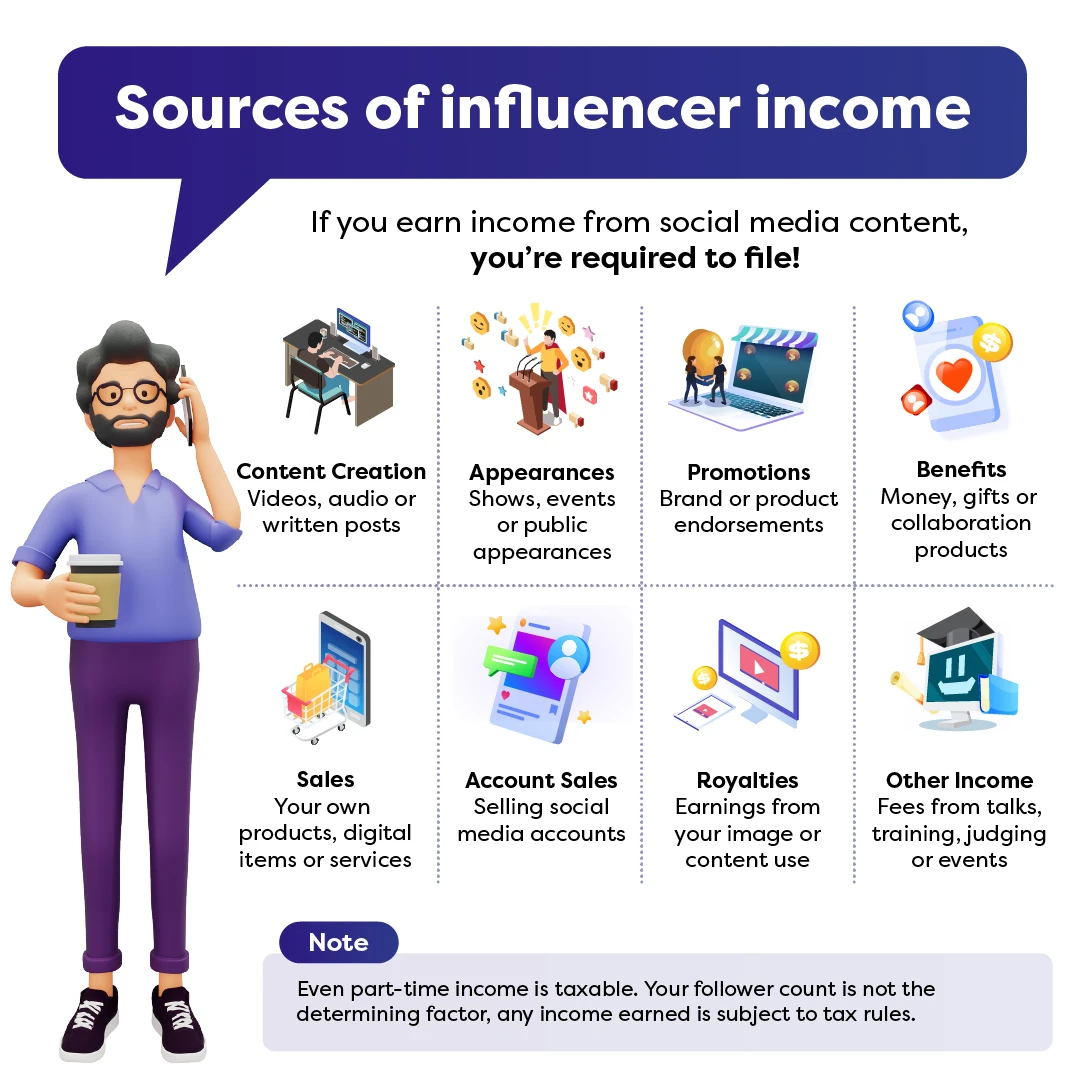
Image source : kwsp.gov.my
Is Influencer Income Taxable in Malaysia?
Yes. All income earned by social media influencers must be declared to LHDN Malaysia.
This applies even if:
-
The payment comes from overseas platforms (e.g. Google, YouTube, TikTok)
-
The brand or company is not based in Malaysia
As long as you are a Malaysian tax resident, your global income related to content creation is taxable.
Want to estimate your monthly tax deduction in Malaysia? Use free PCB Calculator Malaysia to estimate income tax based on your salary or earnings.
Example Scenario
A Malaysian content creator earns RM220,000 in 2025 from Google AdSense.
Even though:
-
Google is a foreign company
-
Payments are made from overseas
The income is still taxable in Malaysia because:
-
The creator is a Malaysian tax resident
-
The income comes from content creation activities
How Influencers Declare Tax in Malaysia
Influencer income is treated as business income.
You need to:
-
File Form B
-
Submit tax return through LHDNM MyTax (e-Filing system)
If you are new, you must first activate your MyTax account before filing.
Do Influencer Need to Register with LHDNM?
If you are a Malaysian citizen or resident:
-
Your MyKad / MyPR number automatically acts as your Tax Identification Number (TIN)
-
You do not need a separate tax number application
However, you still need to:
-
Register and activate MyTax
-
Set up your e-Filing access (first-time users)
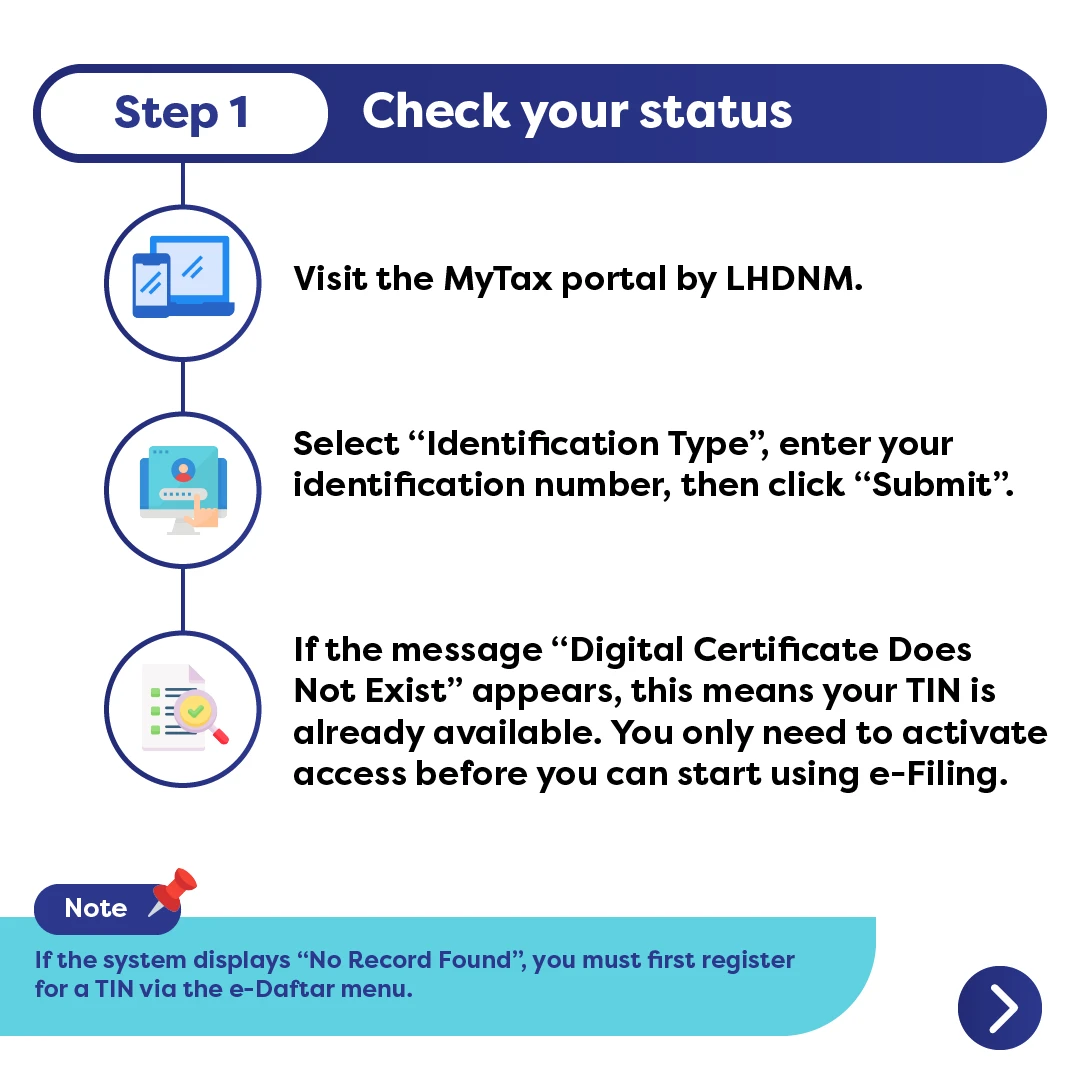
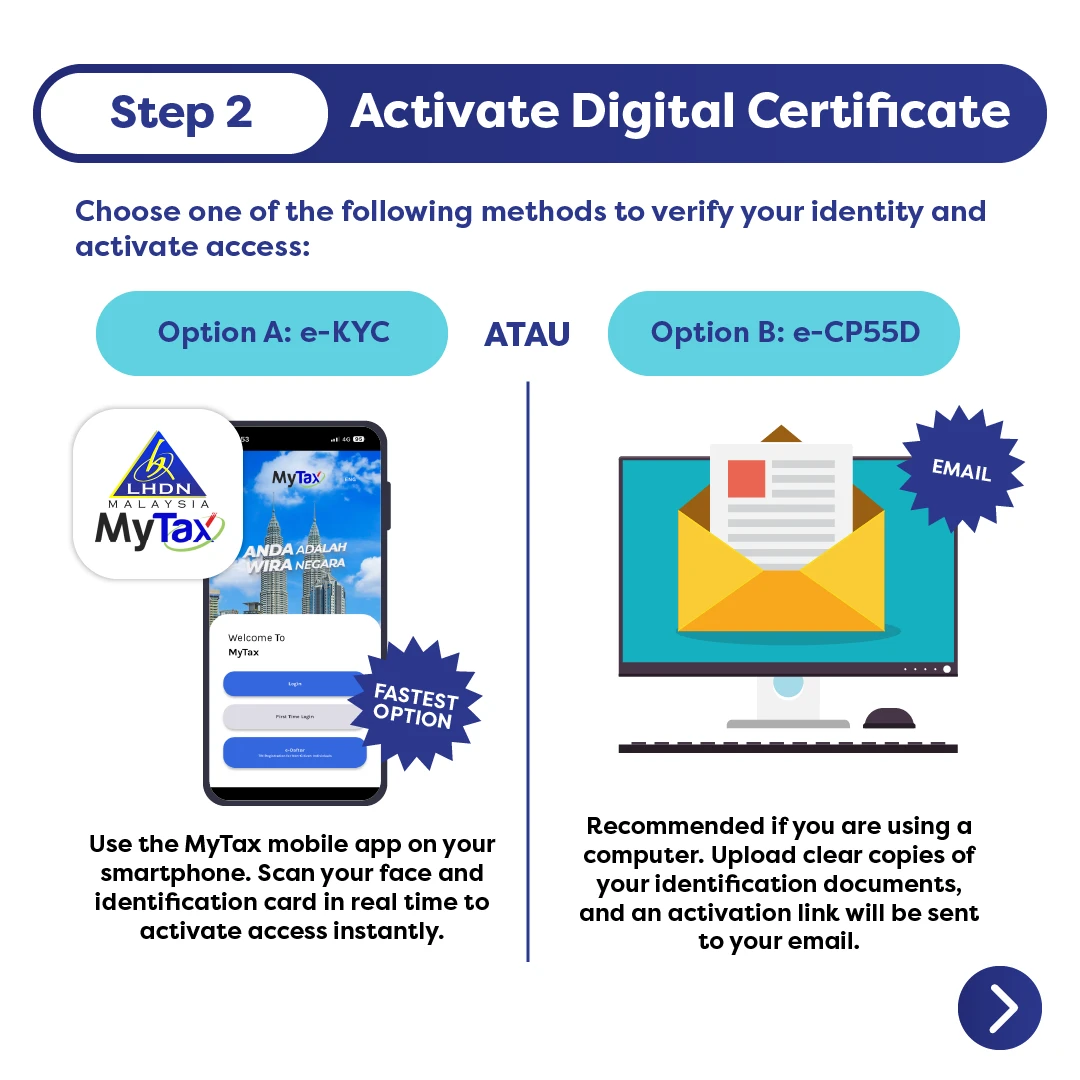
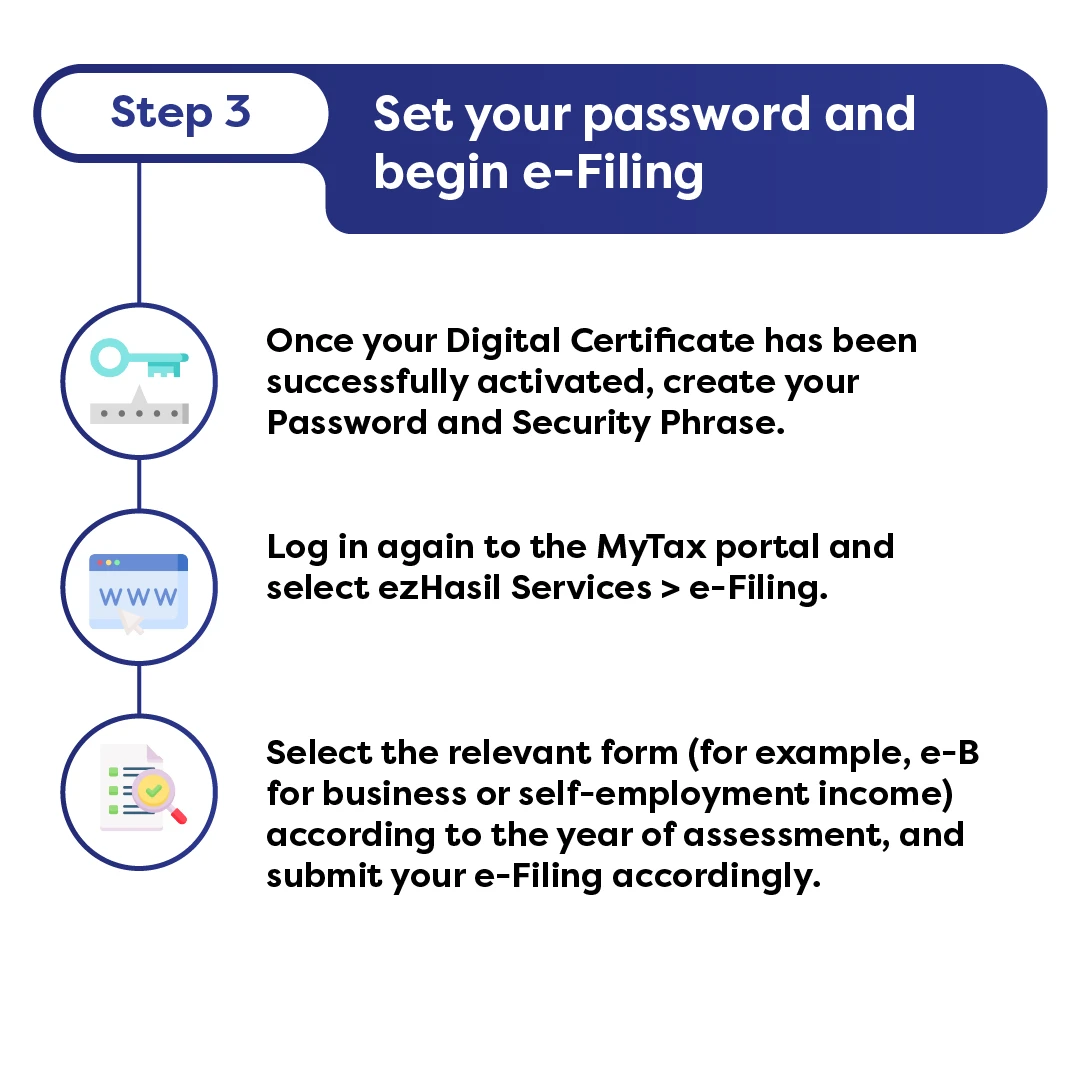
Image source : kwsp.gov.my
What Expenses Can Influencers Claim?
You can reduce taxable income by claiming business-related expenses, such as:
-
Mobile phone and internet bills (work usage)
-
Camera and filming equipment
-
Lighting, microphone, and studio setup
-
Editing software subscriptions
-
Travel costs for content production
-
Marketing and advertising expenses
Important: If an item is used for both personal and work purposes (like phone or car), only the business portion can be claimed.
Keep all receipts and records for at least 7 years for audit purposes.
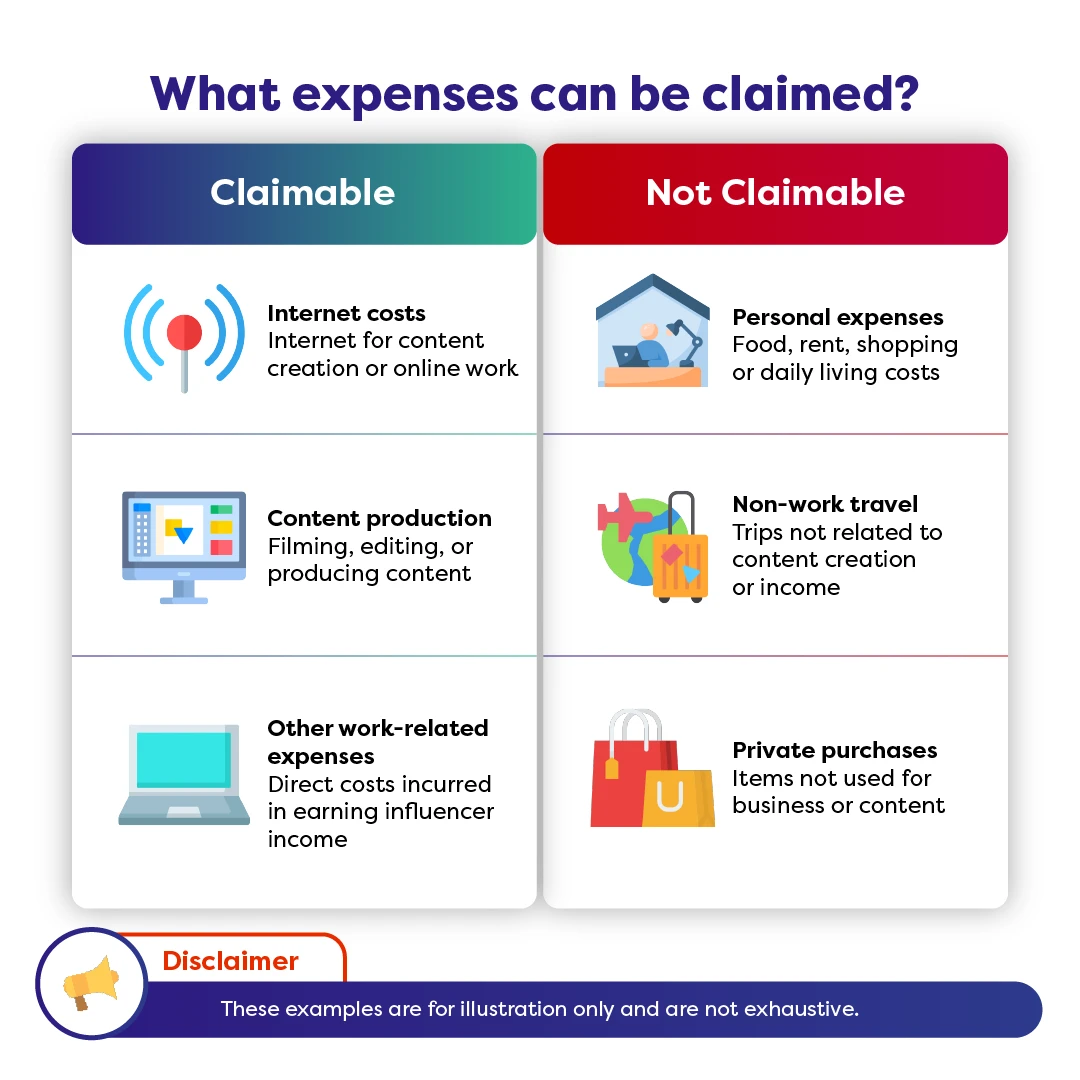
Image source : kwsp.gov.my
Tax Relief for Influencers (EPF & Insurance)
Even self-employed influencers are eligible for personal tax relief under Malaysian tax rules.
EPF & Insurance Relief
You can claim up to:
-
RM4,000 for EPF contributions
-
RM3,000 for life insurance or takaful
This combined structure helps reduce your taxable income.
Additional EPF Benefits
Voluntary EPF contributions also provide long-term advantages:
-
Retirement savings growth
-
Tax-free EPF dividends
-
Protection plans via i-Lindung (subject to limits)
More info: www.kwsp.gov.my
Advance Tax (CP500 Instalments)
Some influencers may be required to pay tax in advance under CP500.
How CP500 works:
-
LHDNM estimates your annual tax based on previous income
-
Tax is paid in instalments (usually every 2 months)
-
Payments are spread throughout the year
-
Each instalment has a due date stated in the CP500 notice
-
A short grace period may be given
This system helps avoid large lump-sum payments during tax season.
Tax Filing Deadline (YA 2025)
For income earned in 2025:
-
Form B (manual submission): 30 June 2026
-
e-Filing (MyTax): 15 July 2026
Late submission may result in penalties from LHDNM.
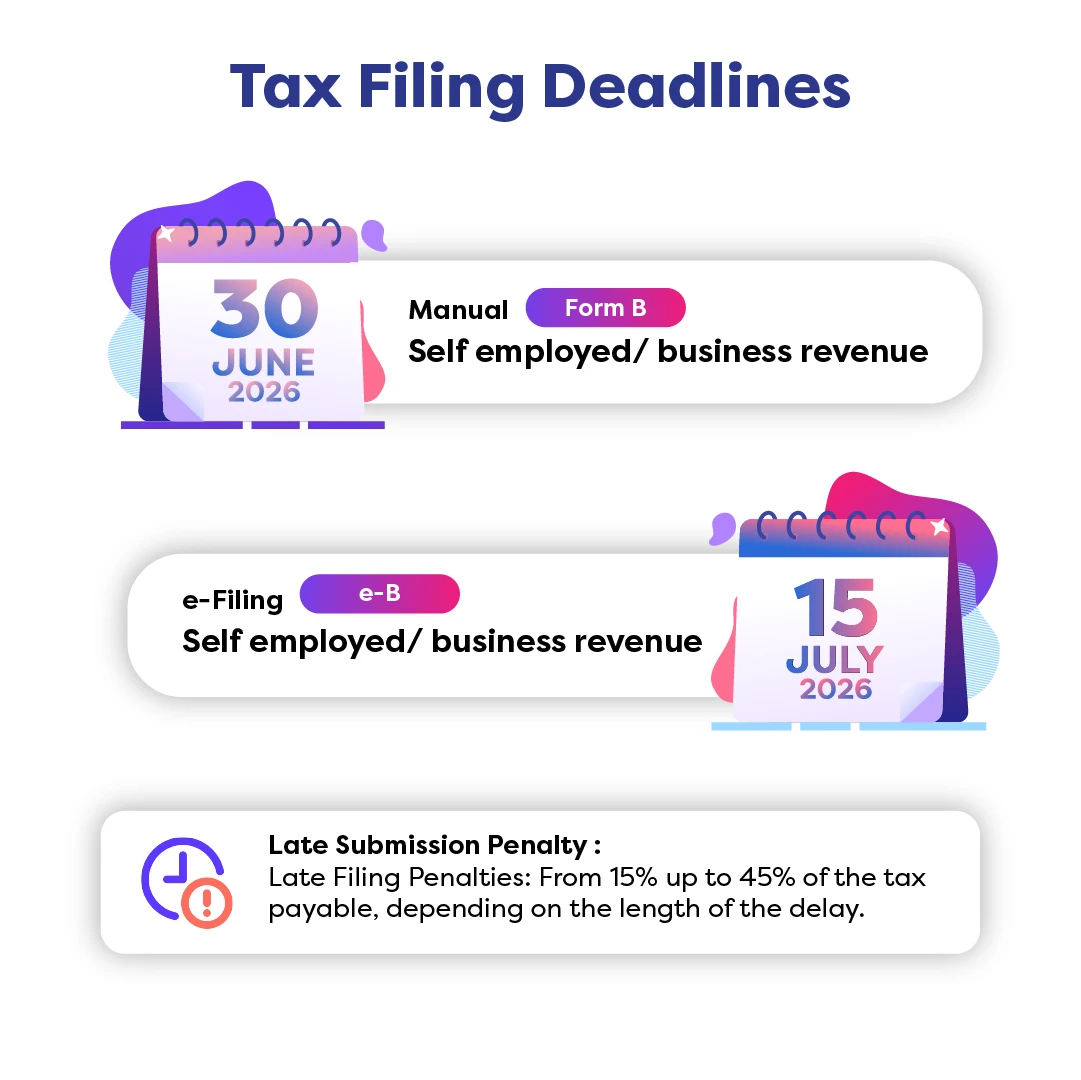
Image source : kwsp.gov.my
Why Tax Compliance is Important for Influencers
Managing your tax properly helps you:
-
Stay compliant with Malaysian tax law
-
Avoid fines and penalties
-
Build financial discipline as a creator
-
Improve credibility for brand partnerships
Tax compliance is now a key part of being a professional content creator.
Disclaimer
This article is for general information only. For official advice, please refer to kwsp.gov.my.
FAQs
Do social media influencers need to pay tax in Malaysia?
Yes. All income from content creation, including sponsorships and platform earnings, must be declared to LHDNM.
Is foreign income like YouTube or Google AdSense taxable?
Yes. Foreign income is still taxable if you are a Malaysian tax resident.
What tax form do influencers need to file?
Influencers must file Form B because their income is considered business income.
Can influencers claim work expenses?
Yes. You can claim valid business expenses such as equipment, internet, software, and production costs.
What happens if I don’t declare my income?
Failure to declare income may lead to penalties, fines, or legal action from LHDNM.
Hire & Plan Ahead with AJobThing
%20copy.jpg)
Start posting your job ads today and fill your roles faster before talent moves to competitors.
Read More:
-
How to Register MyTax Malaysia: Step-by-Step Guide for Employees & Employers
-
EPF Employer Responsibilities in Malaysia: Rules, Contributions & Compliance Guide
-
EPF Death Assistance Malaysia: Eligibility, Claims Process & HR Guide
-
EPF, SOCSO & EIS Contribution for Part-Time, Contract & Foreign Workers in Malaysia
-
KWSP Akaun Emas Rules and Withdrawal After Age 55 in Malaysia
-
i-Saraan Plus: Employer Guide to EPF Incentives for E-Hailing & P-Hailing Drivers in Malaysia
-
i-Suri KWSP 2026 Malaysia: Benefits, Eligibility & How It Works
-
Common HR Problems in SMEs Malaysia: Hiring, Payroll & Compliance Solutions
-
e-Filing 2026 Malaysia: Opening Date, Deadlines & Complete Guide
-
EPF Dividends Remain Tax-Free, Says LHDN Amid 2% Dividend Tax Confusion
-
Akaun Persaraan KWSP: How It Works & Why It’s Important for Retirement Savings
-
Akaun Sejahtera KWSP: What It Is, How It Works & What You Need to Know
-
EPF SOCSO EIS Contribution 2026: Latest Rates, Rules & Employer Guide in Malaysia
-
How EPF Withdrawal Works When an Employee Leaves Malaysia Permanently
-
Simpanan Shariah KWSP: What It Is, How It Works & What Employers Should Know
-
e-Filing 2026 Malaysia: Opening Date, Deadlines & What Employers Must Know
-
Pinjaman PTPTN: How to Pay Using KWSP (EPF) Account 2 in 2026
-
Pengeluaran KWSP Untuk Haji 2026: How to Apply & Who Is Eligible
-
EPF i-Lindung Malaysia: Eligibility, Coverage, and How It Works
-
EPF (KWSP) New Updates in January 2026 for Employers & HR in Malaysia
-
Penamaan KWSP in Malaysia: Legal Implications, Process, and HR’s Role
-
Penyata KWSP: How to Check, Download & Understand Your EPF Statement
-
i-Topup KWSP: Contribution Rules & Guide for Employers in Malaysia
-
i-Simpan EPF (KWSP): How It Works & How Employees Can Contribute
-
i-Sayang KWSP Guide: Requirements, Benefits & How to Register
-
EPF, SOCSO, EIS, and LHDN Employer Registration Guide for Malaysian Companies
- Cara Kira Potongan KWSP dan SOCSO | How to Calculate EPF and SOCSO Deductions in Malaysia
-
Deadlines & Penalties for SOCSO, EPF, PCB/Form E, and HRD Levy in Malaysia
-
EPF Withdrawal for Education: Employer’s Guide to Supporting Staff
-
Akaun Fleksibel (EPF’s New Account Structure): Key Info for Employers
-
KWSP Call Centre for Employers: Contact Numbers, Services, and Support Channels