PTO Meaning in Malaysia: How It Works (and Why It Needs Adapting)

Are You Hiring?
Find candidates in 72 Hours with 5+ million talents in Maukerja Malaysia & Ricebowl using Job Ads.
Hire Now
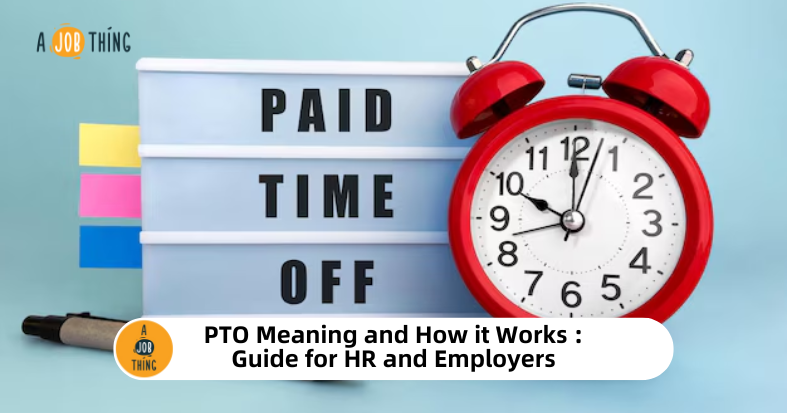
Paid Time Off (PTO) has grown popular in modern workplace management, especially in Western HR practice. For HR professionals and employers in Malaysia, understanding what PTO actually means — and where it needs adapting to fit local law — is essential before adopting it as a policy.
What Is PTO?
PTO is a policy that lets employees take time away from work while still receiving regular pay. In its classic Western form, it's a consolidated leave bank that combines vacation days, personal days, and sick leave into a single pool employees can use at their discretion, without needing to specify a category or reason.
This is genuinely attractive: it gives employees more autonomy, reduces the administrative burden of tracking separate leave types, and removes the stigma some employees feel when asking for "sick leave" specifically. In Malaysia, PTO adoption is still relatively new compared to Western countries — but as workplaces become more employee-centric, it's an increasingly attractive option for companies wanting to boost satisfaction and retention.
Why "PTO" Doesn't Translate Directly to Malaysian Law
This is the part that matters most before you design a policy around it. Sick leave in Malaysia isn't just another category of time off — it's a separately protected statutory entitlement under Section 60F of the Employment Act 1955:
- Employees are entitled to 14, 18, or 22 days of paid sick leave per year depending on length of service (plus up to 60 days of hospitalisation leave, which doesn't reduce ordinary sick leave).
- To qualify, the employee generally needs a valid medical certificate from a registered medical practitioner.
- This entitlement exists separately from and in addition to annual leave — the Employment Act doesn't allow sick days to be treated as consuming from the same pool as vacation time.
A literal, US-style PTO bank — where "sick day" and "vacation day" are indistinguishable and neither requires justification — sits awkwardly against this structure. If the total pooled days end up lower than what statutory annual leave plus statutory sick leave would separately guarantee, that's a genuine compliance shortfall, not just an unconventional approach: under Section 7 of the Employment Act, any contract term that falls below the statutory minimum is void and replaced by the statutory provision anyway.
How a Malaysia-Compliant PTO Model Actually Works
The practical solution most Malaysian employers land on isn't "no PTO" — it's a hybrid model:
- Track statutory annual leave and sick leave separately, at least at the minimum levels required by the Employment Act, so the legal entitlements are never in question. Sick leave still requires an MC to qualify, as the law requires.
- Pool anything beyond the statutory minimum — extra discretionary days, personal days, or additional leave your company chooses to offer on top of the legal floor — into a flexible bank employees can use for any purpose, PTO-style.
This gives you the genuine benefits of PTO (flexibility, less friction, less stigma) for the discretionary portion of leave, while keeping the statutory portion protected exactly as Malaysian law requires. It also avoids putting your company in the position of having promised something in an employee handbook that turns out to be legally unenforceable as written.
How PTO Works Day-to-Day
PTO policies vary by company size, industry, and HR practice. For the discretionary portion of leave described above, employees typically accrue days based on length of service or hours worked — for example, earning a set number of PTO hours per week worked. Some organisations grant a fixed number of days at the start of the year; others allow accrual over time. Policies also vary on whether unused days roll over into the next year or follow a "use-it-or-lose-it" approach. Whatever the structure, communicating it clearly to employees avoids misunderstandings — especially important in Malaysia, where employees also need clarity on which portion of their leave is the protected statutory entitlement versus the flexible discretionary pool.
PTO vs Vacation
PTO and vacation are often used interchangeably, but they're not the same thing. Vacation time specifically refers to days set aside for rest and relaxation, usually planned in advance. PTO, in its full Western sense, is broader — combining vacation, sick leave, and personal days into one pool.
In the Malaysia-adapted model above, this distinction actually becomes useful: your statutory annual leave functions much like traditional "vacation," while your discretionary pool of extra days functions like classic PTO — flexible, unspecified-reason time off layered on top of the legal minimums.
Benefits of Implementing a (Compliant) PTO Model
- Improves employee morale by giving more flexibility and control over discretionary time off.
- Reduces burnout by making it easier to actually take a break without justifying the reason.
- Increases productivity, since well-rested employees tend to be more focused when they return.
- Enhances retention by meeting employee expectations around flexibility and autonomy.
- Attracts talent, particularly candidates used to PTO-style flexibility from other employers.
- Promotes a positive culture by signalling that the company trusts employees with autonomy.
- Simplifies leave administration for the discretionary portion, while keeping statutory entitlements clearly tracked.
- Encourages trust, since employees don't need to justify every day off from the discretionary pool.
Common Challenges in Managing PTO
- Staffing coverage. A flexible policy can lead to multiple employees requesting time off simultaneously — plan and communicate policies clearly to avoid shortfalls.
- Preventing misuse. Since the discretionary pool doesn't require a stated reason, some employees may take more than intended — clear guidelines and usage monitoring help manage this.
- Fairness and consistency. Ensure equal access and consistent handling of requests across the organisation.
- Keeping statutory entitlements protected. This is the risk specific to Malaysia: don't let the appeal of a simple, flexible PTO bank accidentally blur the line with the separately protected statutory annual and sick leave entitlements — that's the one place flexibility can become a compliance problem rather than just an HR preference.
Related Reads on AJobThing
- Everything You Need to Know About Annual Leave
- Understanding Sick Time Off for Employers in Malaysia
- All About Paid and Unpaid Leave in Malaysia
- Leave Entitlements for Employers in Malaysia: A Complete Guide
By understanding PTO, HR professionals, and company management can better assess whether it aligns with their organization’s goals and workforce needs. As the Malaysian workplace continues to evolve, adopting flexible and employee-centric policies like PTO can play a significant role in attracting and retaining top talent.
AJOBTHING: Your All-in-One Hiring Solution
With AJOBTHING, you get everything you need to hire in one place. No more juggling multiple platforms. With AJOBTHING, everything you need is in one convenient place. Join us today and see how we can simplify hiring and more effective for you.
Are you urgently seeking candidates to hire?
Look no further! AJobThing offers an effective hiring solution with our instant job ad feature. Hire in just 72 hours! Try Now!