

Senarai Penyakit Yang Boleh Claim SOCSO: What Employers Need to Know to Support Staff

SOCSO (PERKESO) plays a key role in protecting employees in Malaysia, especially when they face work-related injuries or illnesses. While many employers understand SOCSO in the context of workplace accidents, fewer are fully aware that certain diseases can also be claimed, as long as they are linked to work exposure or job duties.
Understanding the list of diseases that can be claimed under SOCSO helps ensure employees receive proper support while the company fulfils its statutory responsibilities. It also helps avoid confusion between SOCSO benefits and company medical insurance, which serve different purposes.
What is SOCSO, and What Does It Cover?
SOCSO, officially known as PERKESO (Pertubuhan Keselamatan Sosial), is a Malaysian government agency established to provide social security protection to employees.
Its main purpose is to support workers who suffer from:
-
Work-related injuries
-
Occupational diseases
-
Disabilities or death arising from employment
Two key protection schemes related to illnesses are:
Employment Injury Scheme (Skim Bencana Pekerjaan)
Covers injuries and diseases that arise out of or in the course of employment, including occupational diseases caused by long-term exposure at work.
Invalidity Scheme
Provides protection for employees who suffer from permanent invalidity or death due to reasons not necessarily related to work, subject to eligibility conditions.
SOCSO focuses on work-related risks, not general healthcare coverage.
What is an Occupational Disease?
An occupational disease is an illness that is caused by the nature of a person’s work, work environment, or long-term exposure during employment.
These diseases usually develop over time and are linked to:
-
Continuous exposure to dust, chemicals, noise, or radiation
-
Repetitive physical movements
-
Heavy manual work
-
High-risk work environments
This is different from common personal illnesses such as flu, diabetes, or hypertension, which are not caused by work conditions and are generally not covered by SOCSO.
Senarai Penyakit yang Boleh Claim SOCSO
SOCSO only recognises diseases that are proven to be caused by work or work exposure. The illnesses listed below may be eligible for SOCSO claims if medical evidence confirms a direct link between the disease and the employee’s job duties or work environment.
Occupational Diseases (Disebabkan oleh Kerja)
The following diseases may be claimable if medical evidence confirms they are work-related:
-
Respiratory diseases caused by prolonged exposure to dust, fumes, or toxic substances are among the most common occupational illnesses. Workers in construction, manufacturing, or mining may develop lung conditions such as silicosis or asbestosis.
-
Skin diseases can occur due to repeated contact with chemicals, detergents, or allergens. This includes occupational dermatitis experienced by factory workers or cleaners.
-
Noise-induced hearing loss is another recognised occupational disease, especially among employees exposed to loud machinery in factories, warehouses, or construction sites.
-
Musculoskeletal disorders may develop due to repetitive movements or heavy lifting. Examples include chronic back pain or carpal tunnel syndrome linked to job tasks.
-
Occupational cancer may also be covered if it is proven to be caused by exposure to hazardous substances at work, such as asbestos or industrial chemicals.
All claims must be supported by medical reports clearly linking the disease to the employee’s work exposure.
Diseases Covered Under the Employment Injury Scheme
Some illnesses may be covered if they occur during work or as a direct result of work activities, even if they are not long-term occupational diseases.
Examples include:
-
Heart attacks or strokes that occur while performing work duties
-
Serious infections caused by workplace exposure, such as healthcare-related infections
-
Acute medical conditions that arise during official work activities
Eligibility is determined through SOCSO’s medical assessment process, based on medical findings and employment records.
How SOCSO Determines Eligibility for Disease Claims
To qualify for a disease-related SOCSO claim, several conditions must be met.
-
The employee must be a registered SOCSO contributor.
-
The disease must be medically certified and proven to be related to the employee’s job or work environment.
-
Complete medical and employment documentation must be submitted, and the case must be reported within SOCSO’s required timeline.
SOCSO will assess each case individually before approving or rejecting a claim.
Examples of SOCSO Disease Claims
SOCSO disease claims usually involve illnesses that develop due to job duties, workplace conditions, or incidents that occur while carrying out official work. Below are common examples that help HR teams understand how work exposure is assessed:
-
A factory employee develops persistent skin irritation after long-term handling of industrial chemicals without adequate protection. Medical reports confirm the condition is linked to workplace exposure.
-
A construction worker is diagnosed with a lung disease after years of inhaling dust and hazardous particles at construction sites. The illness is recognised as an occupational disease due to prolonged exposure.
-
A warehouse or manufacturing employee experiences hearing loss after being exposed to loud machinery over an extended period. Workplace noise assessments support the claim.
-
An employee suffers a heart attack or stroke while performing official work duties. The case is assessed based on medical findings and work-related circumstances at the time of the incident.
These examples show that SOCSO claims focus on the link between the illness and the job, supported by medical and employment evidence.
Step-by-Step: How Employers Can Claim SOCSO for Disease-Related Cases
From an employer’s perspective, managing SOCSO disease claims is about timely reporting, proper documentation, and supporting employees through the process. Understanding the steps below helps HR teams reduce delays and ensure claims are assessed smoothly.
Step 1: Identify and Record a Suspected Work-Related Illness
When an employee reports a long-term illness or health condition that may be linked to work exposure or job duties, employers should take the report seriously and document it immediately.
HR should record:
-
The employee’s role and job scope
-
Nature of work exposure (e.g. chemicals, dust, noise, repetitive tasks)
-
When symptoms first appeared
Early internal records help support the claim later.
Step 2: Ensure Medical Assessment Is Done
Employers should advise employees to seek medical assessment from a registered medical practitioner. The medical report must clearly indicate whether the illness may be work-related, as SOCSO relies heavily on medical evidence when assessing disease claims.
HR should remind employees to keep all medical reports, referrals, and diagnoses.
Step 3: Report the Case to SOCSO Promptly
Once a work-related disease is suspected or confirmed, employers are responsible for reporting the case to SOCSO (PERKESO) within the required timeframe. Delays in reporting may affect eligibility or result in additional follow-up from SOCSO.
HR teams should ensure the correct SOCSO forms are completed accurately and submitted on time.
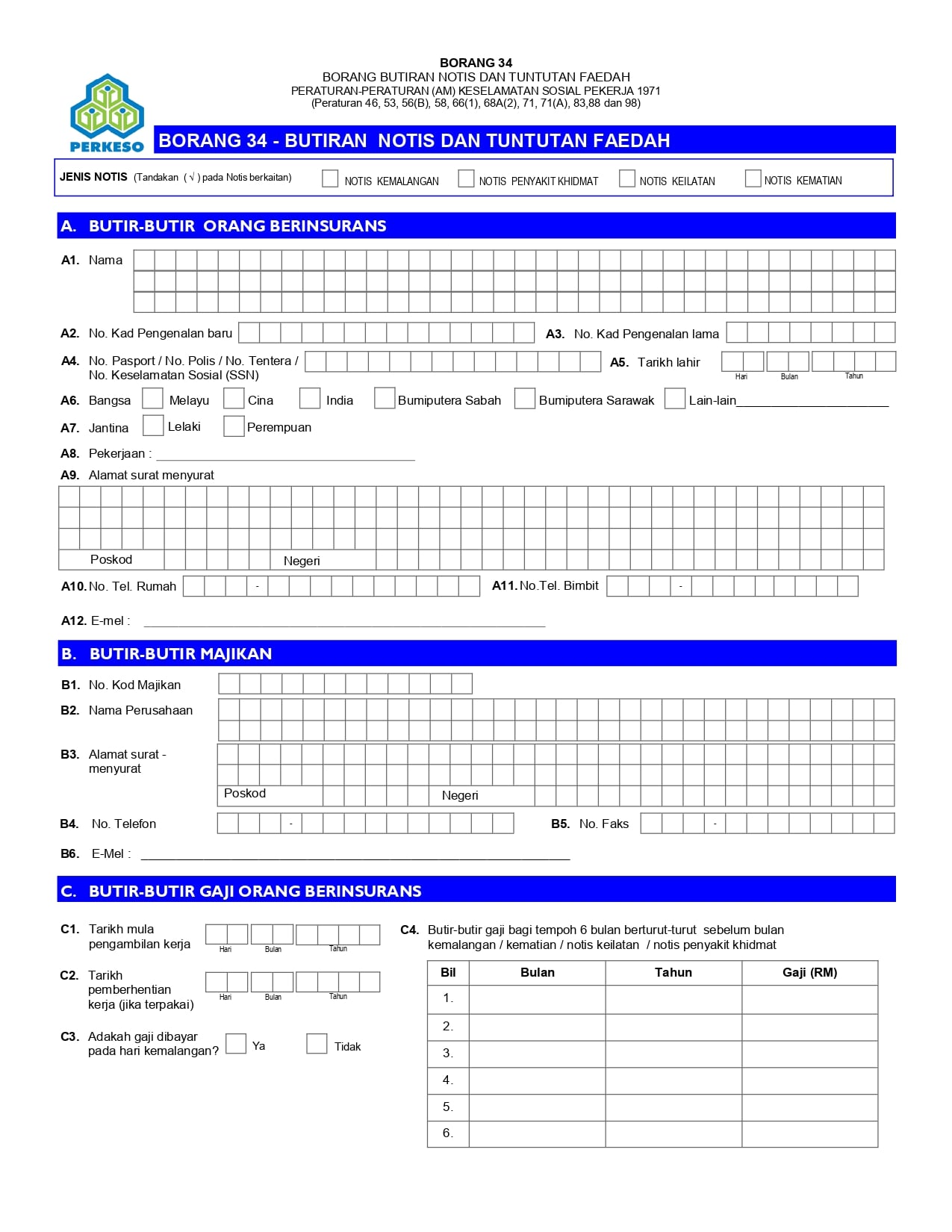
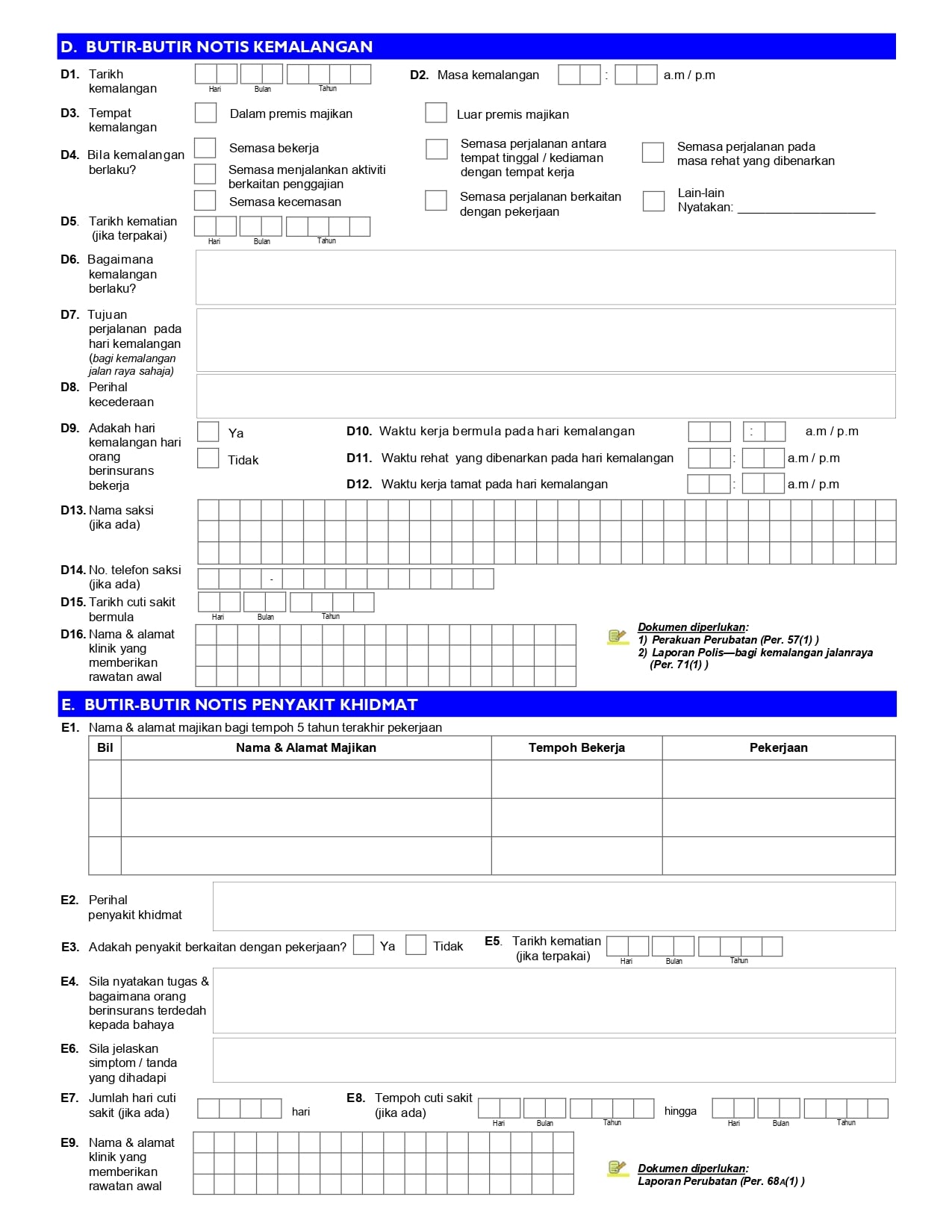
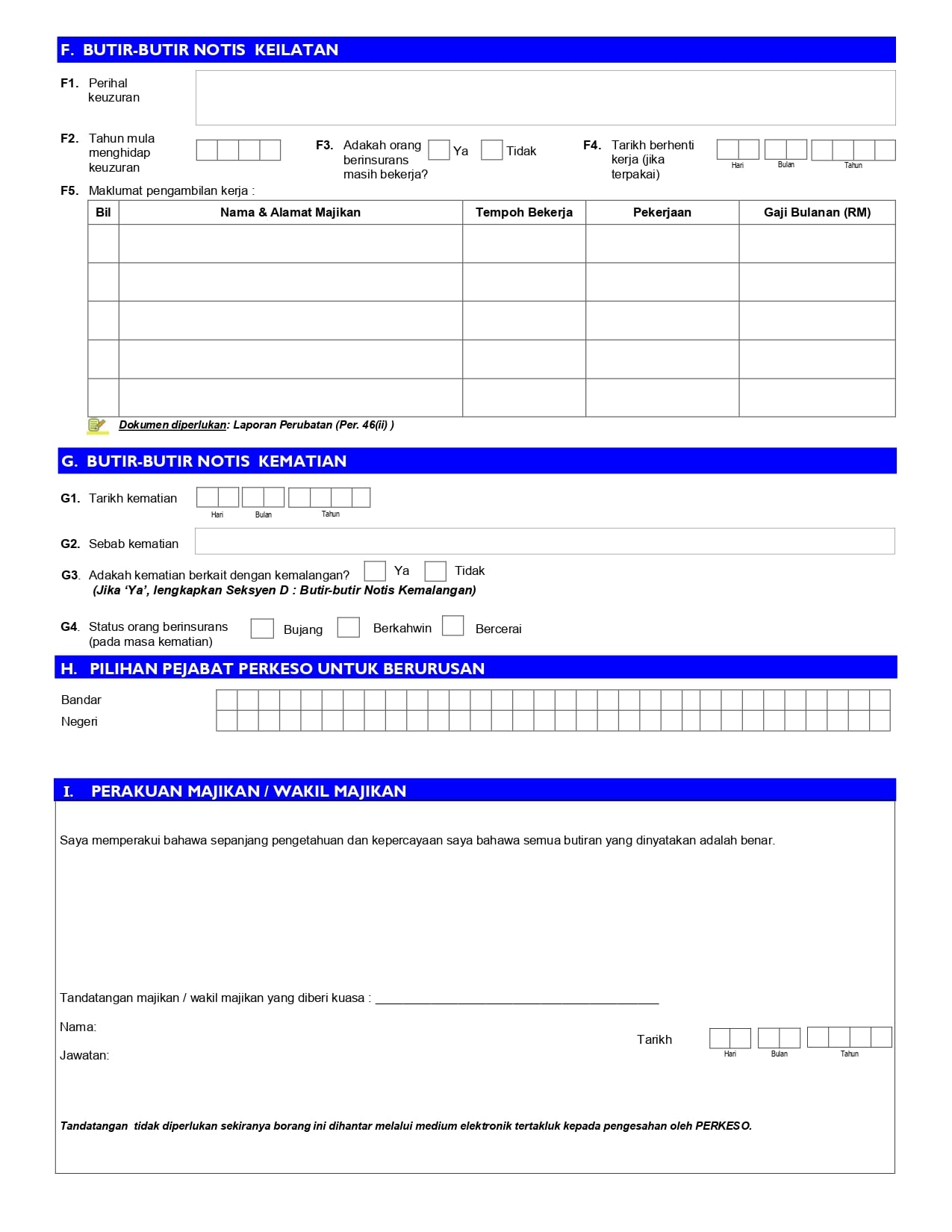
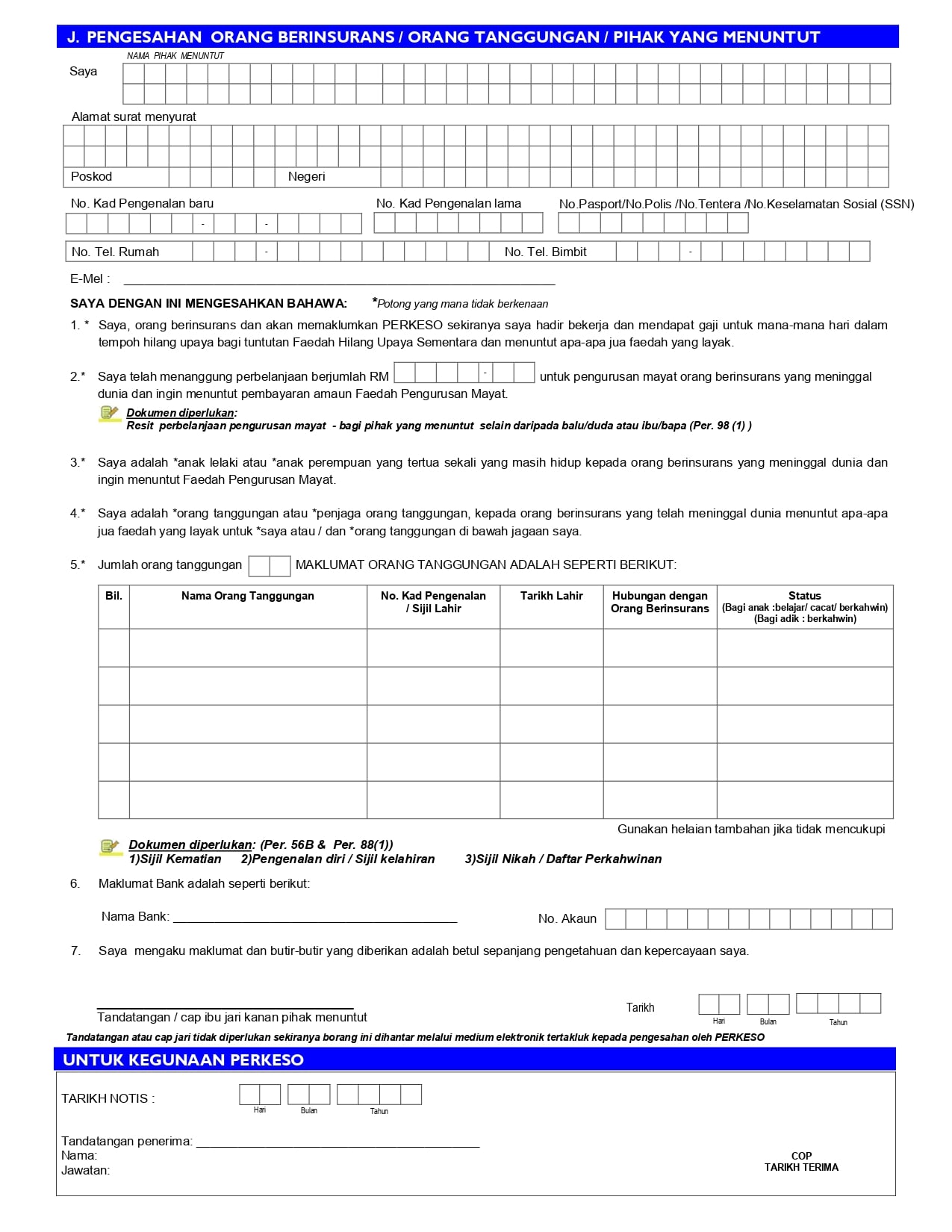
Download form here
Step 4: Prepare and Submit Supporting Documents
Employers play a key role in preparing documentation for disease-related claims. Common documents include:
-
Medical reports and diagnoses
-
Employee job description and employment records
-
Details of work exposure or working conditions
-
Internal incident or occupational exposure records
Clear documentation strengthens the link between the illness and the employee’s work.
Step 5: Support the Assessment and Follow-Up Process
After submission, SOCSO may request additional information or clarification. Employers should respond promptly and cooperate fully during the assessment process. HR teams should also keep employees informed about the claim status to avoid confusion or frustration.
Step 6: Understand the Outcome and Next Steps
If the claim is approved, SOCSO benefits will be provided under the relevant scheme, such as the Employment Injury Scheme.
If the claim is rejected, employers should review SOCSO’s explanation and determine whether additional information or clarification is required.
Employer and HR Responsibilities
To qualify for a disease-related SOCSO claim, certain conditions must be met.
Reporting and Documentation
Employers should ensure employees report any suspected work-related illness as early as possible. HR teams play a key role in guiding employees on the reporting process and ensuring SOCSO forms are submitted within the stipulated timeframe.
Supporting Documents
Common supporting documents include medical reports and diagnoses, details of work exposure or job duties, and internal records related to workplace incidents or occupational exposure.
Submission and Follow-Up
HR teams usually assist with submitting documents to SOCSO offices or through approved channels. Follow-up may be required if SOCSO requests additional information during the assessment process.
Frequently Asked Questions (FAQ)
Can all illnesses be claimed under SOCSO?
No. Only work-related injuries and diseases recognised by SOCSO are eligible.
Are common illnesses like flu or diabetes covered by SOCSO?
No. These are considered personal medical conditions and are not covered.
What documents are required for SOCSO disease claims?
Medical reports, SOCSO forms, employment records, and supporting documents related to work exposure.
Can HR submit SOCSO claims on behalf of employees?
Yes, HR can assist with submission, but claims must be based on accurate employee information and medical certification.
Can long-term illnesses still be claimed if linked to work exposure?
Yes. Occupational diseases may be claimed even after long-term exposure, as long as medical evidence supports the link to work.
Your Next Hire Could be Just a Click Away!

At AJobThing, we connect you with 5+ million jobseekers in Malaysia, ensuring you hire the best.
Post your job ads today & simplify your hiring process!
Read More:
-
Kenaikan Gaji Penjawat Awam Fasa 2: What It Means for HR Teams and Employers
-
Penamaan KWSP in Malaysia: Legal Implications, Process, and HR’s Role
-
Cara Claim SOCSO Kemalangan: A Complete HR Guide for Work Accident Claims
-
i-Sayang KWSP Guide: Requirements, Benefits & How to Register
-
EPF, SOCSO, EIS, and LHDN Employer Registration Guide for Malaysian Companies
- Cara Kira Potongan KWSP dan SOCSO | How to Calculate EPF and SOCSO Deductions in Malaysia
-
Statutory Contributions in Malaysia Explained for Employers and HR
-
Deadlines & Penalties for SOCSO, EPF, PCB/Form E, and HRD Levy in Malaysia
-
PCB for Foreign Workers in Malaysia: Employer’s Complete Guide
-
EPF Withdrawal for Education: Employer’s Guide to Supporting Staff
-
Akaun Fleksibel (EPF’s New Account Structure): Key Info for Employers
-
KWSP Call Centre for Employers: Contact Numbers, Services, and Support Channels
-
How to Check KWSP/EPF Balance: Online, SMS, Call Center, and More (2025)