

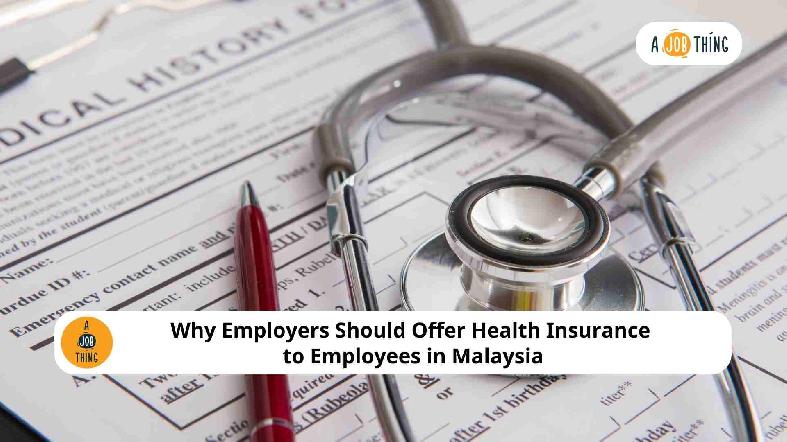
Why Employers Should Offer Health Insurance to Employees in Malaysia

Employee health insurance is no longer just a “nice-to-have” benefit in Malaysia. For HR teams and employers, it has become an important people management and risk control tool.
While Malaysian law does not clearly state that employers must provide health insurance, it does place responsibility on employers to protect employee welfare, health, and safety. Because of this, health insurance is now widely seen as a best-practice standard, especially for companies that want to grow sustainably.
This article explains why employee health insurance matters, how it connects to Malaysian law, and how HR teams can use it to support both employees and the business.
Employer Duty of Care Under Malaysian Law
In Malaysia, employers have a general duty to take reasonable steps to protect employees’ health and wellbeing. This expectation appears across employment-related laws and regulations.
Employers are expected to:
-
Provide a safe and healthy work environment
-
Manage health risks responsibly
-
Support employees during illness or recovery
Employee health insurance supports this duty by ensuring employees can access medical treatment early, instead of delaying care due to cost.
For HR teams, this also means fewer prolonged sick leave cases and fewer crisis situations.
Employment Act 1955 and Employee Welfare
The Employment Act 1955 does not specifically say that employers must provide medical insurance. However, it clearly addresses employee welfare, sick leave, and hospitalisation.
From an HR perspective:
-
Employees who delay treatment often take longer sick leave
-
Prolonged illness affects productivity and team workload
-
Unclear medical support can lead to disputes
Health insurance helps HR manage sick leave more fairly and supports faster recovery, which aligns with the intent of the Employment Act.
Occupational Safety and Health Act 1994 (OSHA)
Under the Occupational Safety and Health Act 1994, employers must ensure, as far as practicable, the safety, health, and welfare of employees at work.
SOCSO already covers work-related accidents and occupational diseases, but it does not cover:
-
Common illnesses
-
Non-work-related hospitalisation
-
Outpatient treatment
Health insurance complements OSHA obligations by covering these gaps and showing that employers are taking reasonable steps to protect employee health.
Why SOCSO Alone Is Not Enough
SOCSO is mandatory, but it is limited to work-related cases.
SOCSO does not cover:
-
General medical treatment
-
Surgeries unrelated to work
-
Private hospital care
Without health insurance, HR teams often face:
-
Emergency requests for financial help
-
Inconsistent medical support decisions
-
Higher stress during employee health crises
Health insurance provides a clear and structured solution.

Calculate SOCSO, EPF, and EIS contributions quickly with our free calculator.
Business Benefits HR Can Clearly Explain to Management
Health insurance is not just about caring for employees. It also makes business sense.
Better Employee Retention
Medical benefits are now a standard expectation. Employees are more likely to stay with employers who support their health.
Higher Productivity
Employees who get treatment early recover faster and take fewer unplanned leave days.
Stronger Employer Branding
Companies with medical benefits attract better-quality candidates and enjoy higher offer acceptance rates.
Lower HR Risk
Clear medical policies reduce disputes, emotional HR cases, and inconsistent decision-making.
Health Insurance as a Practical HR Tool
For HR teams, health insurance:
-
Sets clear boundaries on medical support
-
Reduces ad-hoc decision pressure
-
Ensures fair treatment across employees
-
Makes onboarding and benefits explanation easier
Even basic coverage is better than none.
Types of Employee Health Insurance in Malaysia
Employee health insurance in Malaysia usually comes in a few common forms. Employers do not need to offer all types at once. Many start with basic coverage and expand later as the company grows.
Hospitalisation and Surgical Insurance
This is the most basic and important type of health insurance. It covers hospital stays, surgeries, and major medical treatment. Most employers start with this coverage because it protects employees from high medical costs.
Outpatient and Panel Clinic Coverage
This covers visits to general practitioners (GP), panel clinics, and basic medical treatment. It helps employees seek early treatment for minor illnesses and reduces unnecessary sick leave.
Specialist and Diagnostic Coverage
Some plans include specialist consultations, medical scans, and diagnostic tests. This is useful for early diagnosis and ongoing medical conditions.
Mental Health and Wellness Coverage
Some employers offer counselling or mental health support as part of their health benefits. This supports employee wellbeing and helps reduce burnout and long-term absenteeism.
Employee-Only or Family Coverage
Most companies start with employee-only coverage. Family or dependent coverage can be offered later as an additional benefit, depending on company budget and workforce needs.
Choosing the Right Health Insurance Coverage
Health insurance does not need to be expensive or complex.
HR teams can start with:
-
Basic hospitalisation and surgical coverage
-
Outpatient panel clinic access
-
Employee-only plans
Coverage can be expanded later as the company grows and workforce needs change.
Legal Minimum vs HR Best Practice
In today’s Malaysian workplace:
-
SOCSO = legal minimum
-
Health insurance = responsible employer practice
Courts, regulators, and employees increasingly expect employers to go beyond minimum compliance when it comes to employee welfare.
FAQs
Is employee health insurance compulsory in Malaysia?
No. It is not legally compulsory, but employers are expected to protect employee health, and many companies treat it as standard HR practice.
Is SOCSO enough for employee medical coverage?
No. SOCSO only covers work-related injuries and diseases, not general illness or hospitalisation.
What happens if employers do not offer health insurance?
There are no immediate penalties, but employers may face higher absenteeism, lower morale, and greater HR or legal risk over time.
Is health insurance mandatory for foreign workers in Malaysia?
In some industries, yes. Even when not mandatory, medical coverage helps employers manage compliance and emergencies.
What health insurance should employers start with?
Most employers start with basic hospitalisation and outpatient coverage and expand later as the business grows.
Great Benefits Attract Great Talent

AJobThing helps Malaysian employers hire quality candidates who fit their team and culture. Start hiring today.
Read More:
-
Salary Increment Letter Malaysia: Samples, Format & HR Guide
-
How to Create a Job Posting That Attracts the Right Candidates
-
How Employers Should Handle Employee Misconduct in Malaysia Fairly
-
How HR in Malaysia Can Improve Resume Screening and Candidate Shortlisting
-
Preboarding in Malaysia: Why Employers Should Start Before Day One (Free Checklist Template)
-
How HR Can Reject a Candidate the Right Way (with Templates)
-
How to Conduct a Background Check for Employment in Malaysia
-
Onboarding Process Tips: What HR Needs to Know for Better Retention
-
Onboarding Checklist for New Hires (Free Downloadable Template)
-
Performance Evaluation: Description, Types, and How to Conduct
-
Cover Letter Examples Employers Should Know (With Tips to Spot the Best Ones)
-
Step-by-Step Guide to Writing a Great Job Description (Free Templates)