Applicant Tracking System: What Is It and How to Use It Effectively
Learn about Applicant Tracking Systems (ATS) and how they simplify recruitment. Manage resumes, track candidates, and enhance your hiring process effortlessly.
Read More
Learn about Applicant Tracking Systems (ATS) and how they simplify recruitment. Manage resumes, track candidates, and enhance your hiring process effortlessly.
Read More
Workplace gossip can start as innocent chatter but often escalates, negatively affecting morale, trust, and productivity. This article delves into what workplace gossip is, its causes, and its impact on workplace culture.
Read More
Discover what an HR strategy is and learn actionable steps to build one that aligns with business goals, drives growth, and enhances team engagement.
Read More
Learn all about leave entitlements in Malaysia, from annual and sick leave to maternity and paternity leave, to ensure compliance with the Employment Act.
Read More
Learn how the Singapore-Malaysia Double Taxation Agreement helps businesses and individuals avoid paying taxes twice, fostering cross-border trade and investment.
Read More
Leaving your job? Make your last day count with professional dos and don'ts. Discover how to leave on good terms and maintain valuable connections.
Read More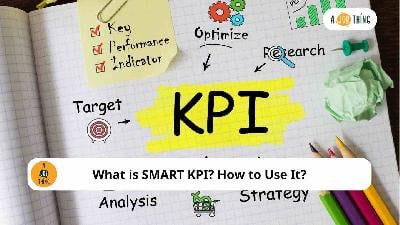
Learn how SMART KPIs help businesses set clear, measurable goals for growth and success. Discover practical examples for implementation in your company.
Read More
Pre-employment background checks help verify a candidate’s qualifications, work history, and character while ensuring workplace safety. Common types include criminal checks, employment verification, education confirmation, and social media screening.
Read More
Malaysia’s Minimum Retirement Age Act 2012 sets the retirement age at 60 for private-sector employees, ensuring job security and fair treatment. Employers cannot enforce early retirement without mutual agreement, and exceptions apply to specific roles, such as government employees, apprentices, and non-citizen workers.
Read More
Salary and wage are common payment methods, but they serve different needs. A salary provides consistent monthly income and benefits, ideal for full-time roles like teaching, IT, or finance. In contrast, a wage pays based on hours worked, offering flexibility and overtime pay, often seen in part-time or hourly jobs like retail or hospitality.
Read MoreAre You Hiring?
Find candidates in 72 Hours with 5+ million talents in Maukerja Malaysia & Ricebowl using Job Ads.
Hire Now